 Save
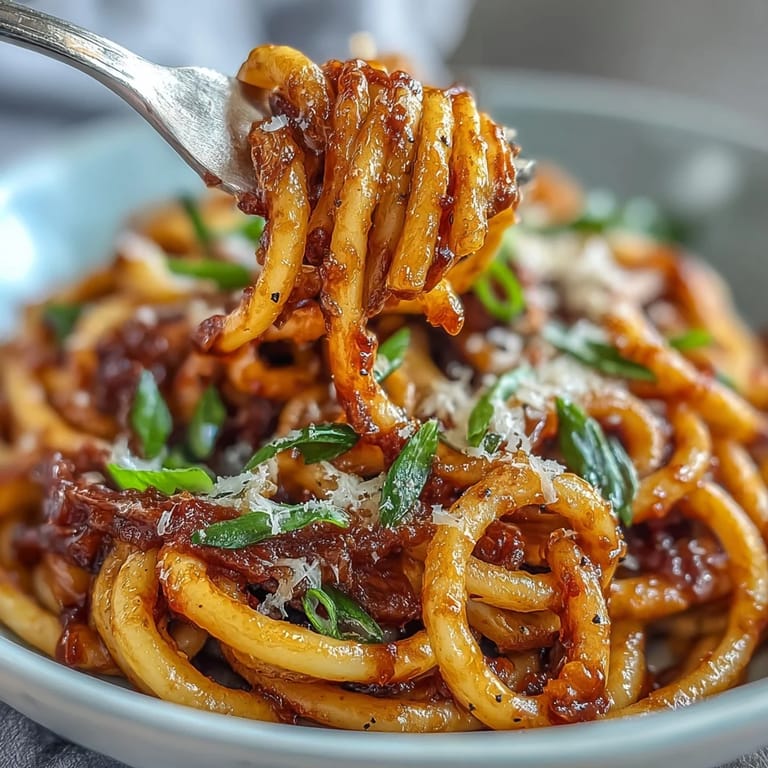
Save The first time I made gochujang butter pasta, the kitchen was filled with this wild fusion of garlicky warmth and a toasted, spicy sweetness that lingered even after the pan was washed. I love how a single spoonful of gochujang transforms basic butter and noodles into something arrestingly new, even on nights when all I want is comfort. The sizzle of butter as it met garlic was almost hypnotic, and I couldn’t help but taste the sauce straight from the pan, nearly forgetting the pasta was still boiling. There’s something unexpectedly soothing about swirling linguine through glossy, fiery sauce, especially when quick dinners still deserve a little awe. With every bite, the blend of heat and richness felt like an easy kind of magic.
Once, while cooking this pasta with my friend Liz on a rainy Sunday, we found ourselves laughing over accidental gochujang fingerprints everywhere—on the fridge, the pot handle, even my cheek. Bowls in hand, we huddled by the window, trading tips for the perfect spring onion garnish as thunder rolled outside. It made the spicy-sweet comfort of the dish even more welcome, and now every batch brings me back to that stormy afternoon.
Ingredients
- Pasta: Choose a shape with nooks for sauce—spaghetti and linguine both work, but don’t be afraid to experiment if that’s what you have.
- Salt for boiling water: Salting the water generously starts seasoning the dish from the very first step.
- Unsalted butter: Using unsalted gives you control over the final flavor; melt it gently for the richest base.
- Garlic: Finely mince for even flavor and to avoid any harsh, raw bits; sauté just until fragrant.
- Gochujang: This Korean chili paste brings sweet heat plus serious umami savory-ness—adjust to taste if you’re new to it.
- Soy sauce: Deepens the complexity while balancing out the butter—choose low sodium if you prefer to control the salt.
- Honey or maple syrup: Adds a gentle sweetness that tames the spice and rounds out the sauce smoothly.
- Pasta cooking water: Don’t skip this—its starch emulsifies the sauce into a perfect creaminess.
- Spring onions: Scatter them fresh for a sharp, oniony crunch that lifts every bite.
- Toasted sesame seeds: Sprinkle for a warm, nutty finish and extra texture.
- Freshly ground black pepper: Crack just before serving for a fragrant, peppery kick.
Tired of Takeout? 🥡
Get 10 meals you can make faster than delivery arrives. Seriously.
One email. No spam. Unsubscribe anytime.
Instructions
- Boil the pasta:
- Bring a big pot of salted water to a rolling boil and cook your noodles until just al dente—you want them to still have a bit of bite. Before draining, scoop out about a quarter cup of the starchy cooking water and set it aside.
- Start the sauce:
- Meanwhile, melt the butter in a wide skillet over medium heat until it begins to foam and smell nutty. Sprinkle in the minced garlic and stir, letting the aroma fill the kitchen, but don’t let it brown.
- Add flavor:
- Stir the gochujang, soy sauce, and honey right into the melted butter and garlic. The mix should sizzle and turn a deep, glossy red as you gently stir for about a minute.
- Combine pasta and sauce:
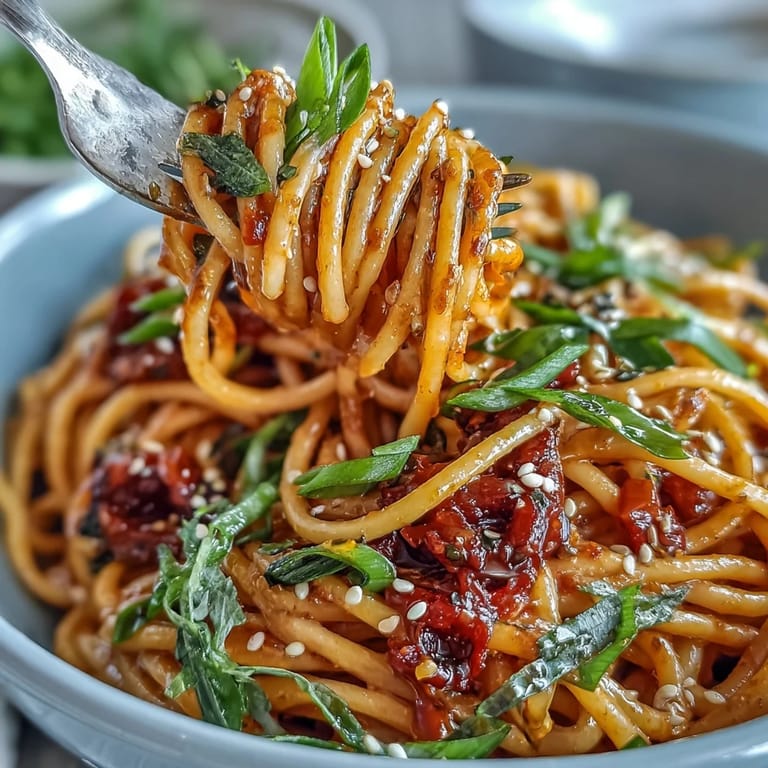
- Tip the drained pasta straight into the skillet, immediately pouring in your reserved pasta water. Toss everything together as the sauce thickens and turns silky, coating every strand.
- Finish and serve:
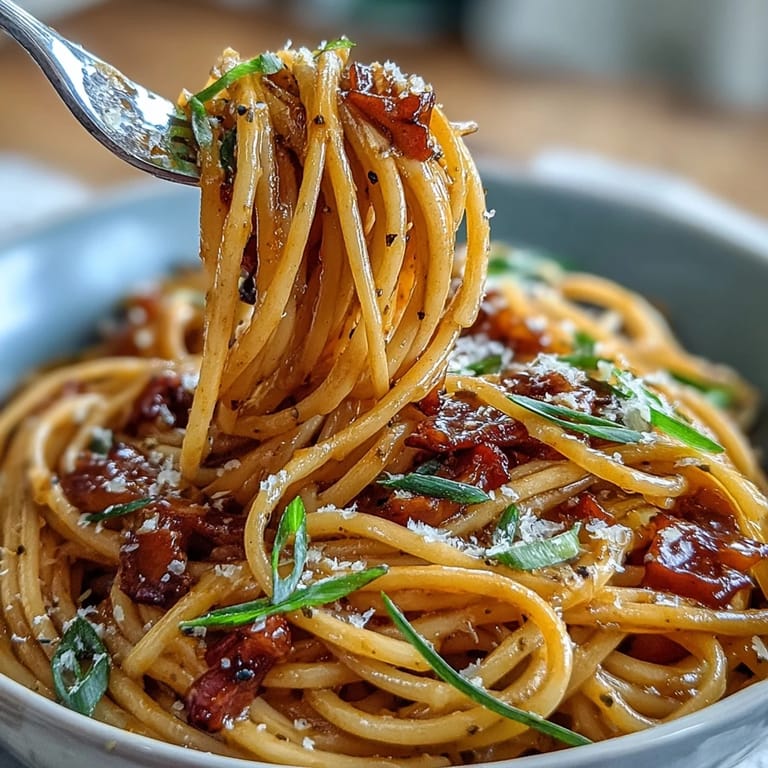
- Divide the noodles between bowls and crown them with spring onions, a scattering of sesame seeds, and a flourish of black pepper. Serve piping hot and enjoy the tangle of flavors with every forkful.
 Save
Save One dinner, my sister reached across the table and, unprompted, declared this the best ‘late night’ pasta she’d ever had—proof a simple dish can be unexpectedly special. It’s become a go-to when we want a splash of joy without a mountain of dishes.
Getting That Irresistible Creaminess
Don’t rush the tossing stage—it’s where the magic happens. Taking a full minute to swirl the noodles in hot sauce as it thickens makes the difference between just-coated and fabulous. Keep the heat on low once everything’s combined; this helps the butter and starch marry into silkiness without breaking or drying out.
Simple Ways to Change It Up
This pasta loves company: wilt a handful of spinach, stir in sautéed mushrooms, or top with crispy tofu for vegetarian heft. A soft boiled egg oozed over the noodles brings extra richness. If you like crunch, toss some roasted peanuts or fried shallots on top too.
A Few Words on Gochujang Heat
Gochujang brands vary in spiciness—start with less and add more if you’re unsure. I’ve accidentally scorched my mouth by forgetting this, so taste cautiously the first time. The sauce should feel like a warm hug, not a dare.
- Chilling leftovers tones down the spice a bit.
- If you want more tang, add a dash of rice vinegar before serving.
- Extra sauce is perfect for drizzling on roasted veggies or rice bowls tomorrow.
 Save
Save May this dish bring you warmth (and just enough kick) on weeknights that crave something bold yet comforting. Here’s to happy cooking, unexpected smiles, and one less boring bowl of noodles in your world.
Recipe FAQs
- → How spicy is this dish?
Gochujang offers a warm, sweet heat rather than sharp chili intensity. Start with less and add more to taste; honey or maple can mellow the spice if needed.
- → How can I make this vegan?
Use plant-based butter and maple syrup in place of butter and honey. Check the gochujang label for any non-vegan additives before using.
- → How do I achieve a glossy, clingy sauce?
Reserve starchy pasta water and add it a little at a time while tossing the pasta over medium heat; the starch emulsifies the butter and gochujang into a silky coating.
- → What pasta shapes work best?
Long strands like spaghetti or linguine let the sauce cling evenly, while short ridged shapes (fusilli, rigatoni) catch extra bits of sauce and garnish.
- → Any good add-ins for more texture or protein?
Sautéed mushrooms, wilted spinach, crispy tofu or a soft-boiled egg all complement the sauce and boost texture and protein.
- → How should I store and reheat leftovers?
Keep cooled leftovers in an airtight container for up to 2 days. Reheat gently in a skillet with a splash of water and a small knob of butter to revive the sauce.