 Save
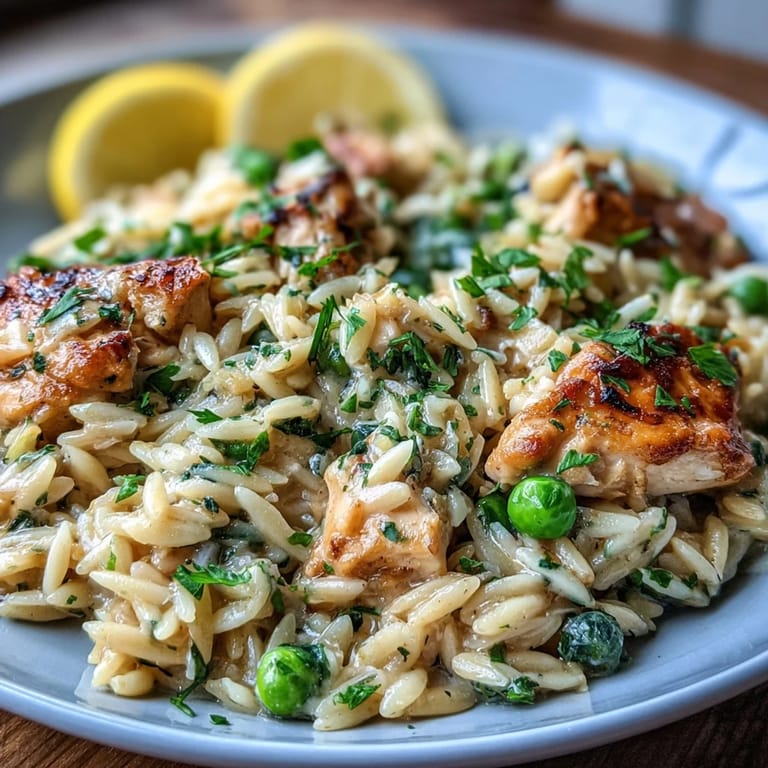
Save The first time I made this one-pot lemon orzo with chicken and peas, I was lured in by the zing of fresh lemon drifting through the kitchen windows while spring rain pattered outside. I remember slicing the onion and the sharp scent mingling with the buttery aroma rising from the stove. It was the kind of evening where the promise of fewer dirty dishes felt like a little miracle. Even my usually skeptical partner admitted it smelled 'like sunshine meets comfort food.' We ended up lingering at the stove just to taste spoonfuls straight from the pot.
I made this for friends last May, when the garden peas were just starting to come in and nobody could resist the brightness of lemon zest in a dish. We laughed about how the peas rolled across the countertop as I poured them from the bag, and someone asked if you could make this with shrimp instead—so we tried it, and the experiment turned into a new tradition. That night the kitchen was chaotic, but the clean plates proved the recipe won everyone over. Even the most professed 'pea skeptic' went for seconds. The group chat still teases about whether orzo is pasta or rice—reminding me of that cozy evening every time I cook it.
Ingredients
- Boneless, skinless chicken breasts: Cutting them into bite-sized pieces ensures they cook quickly and soak up the lemon and oregano; I found trimming extra fat keeps the texture tender.
- Frozen green peas: Thawing them beforehand avoids mushiness—adding them late keeps their sweetness.
- Yellow onion: Chopping finely helps the flavor meld without overpowering; sauté until translucent for softer edges.
- Garlic: Minced garlic browns fast, so add after onions and watch closely—its fragrance transforms the base.
- Lemon zest and juice: Use both zest and juice for layered brightness; zest first before juicing to save yourself a slippery mess.
- Fresh parsley: Adds a herby lift right at the finish—chop just before adding for vibrant color.
- Orzo pasta: Toasting briefly amplifies nuttiness and keeps the grains from sticking—you'll notice a deep golden hue.
- Parmesan cheese: Grate fresh for best melt and flavor—don't skip, it brings the creamy finish.
- Unsalted butter: A little butter after sautéing the chicken creates glossy richness in the sauce.
- Low-sodium chicken broth: Use low-sodium so you control the salt—homemade broth makes it extra comforting.
- Olive oil: Choose a robust olive oil for sautéing; it pairs beautifully with lemon and herbs.
- Dried oregano: Half a teaspoon adds Mediterranean warmth, don't be tempted to overdo it.
- Salt: Always taste as you cook—different broths and cheeses can change how much you need.
- Freshly ground black pepper: Just a sprinkle gives a gentle bite and balances the creaminess.
Tired of Takeout? 🥡
Get 10 meals you can make faster than delivery arrives. Seriously.
One email. No spam. Unsubscribe anytime.
Instructions
- Sear the chicken:
- Heat olive oil in your largest deep skillet or Dutch oven; listen for that soft sizzle as the chicken hits the pan. Sprinkle in salt, pepper, and oregano, then stir and let the chicken turn golden and fragrant over 4–5 minutes—move it out onto a plate once cooked through.
- Build the base:
- Add butter to the same pot, scraping up browned bits for flavor. Scatter in the chopped onion and sauté until translucent—about 3 minutes, then stir in garlic and let it bloom for a minute, just until you catch its aroma.
- Toast the orzo:
- Pour in the orzo and stir constantly; as the grains toast, you'll see them turn a glorious golden shade and smell their nutty aroma—keep a close eye so they don't burn.
- Add liquid and simmer:
- Slowly pour in chicken broth and bring to a boil, then reduce to a gentle simmer. Cover and cook for 7–8 minutes, stirring occasionally so the pasta cooks evenly and nothing sticks.
- Combine and finish:
- Uncover and return chicken to the pot; add peas, lemon zest, and juice, stirring to combine. Let cook uncovered 4–5 minutes until the orzo is al dente and most liquid is absorbed.
- Add cheese and herbs:
- Remove from heat; stir in grated Parmesan and chopped parsley. Taste and adjust seasoning—serve with extra lemon zest or Parmesan if you like.
 Save
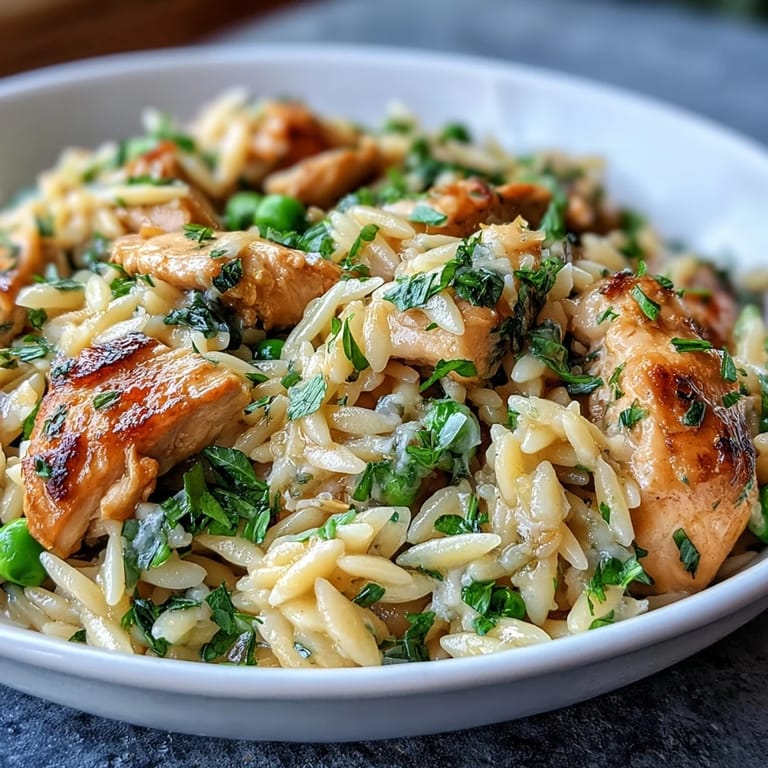
Save There was a night when my cousin dropped by unexpectedly, and this dish turned into an impromptu supper that made us both pause mid-bite and just grin. We agreed it felt like spring had arrived in a bowl, and she still texts for the recipe whenever lemon season rolls around. That meal became a little tradition for us, with laughter over how the peas sometimes vanish into the orzo until you find them on your fork.
A Few Words About Orzo Texture
Orzo walks the line between pasta and rice, and I've found that a gentle simmer makes all the difference for creaminess. Stirring occasionally will help prevent sticking, especially at the bottom of the pot. Letting it rest for a minute or two before serving lets the sauce settle and the pasta finishes cooking in residual heat. If it seems too thick, a splash more broth quickly loosens everything. Don't be afraid to adjust—everyone's stove behaves differently and orzo is forgiving.
Making Lemon Flavor Shine
Using both the zest and juice is essential—the zest perfumes the dish while the juice brings lively acidity. I always zest the lemon first (before cutting), which makes the process easier and avoids squeezed lemon slipping everywhere. If you're after extra zing, garnish with a bit of zest right before serving. The kitchen smells so bright when you add lemon, it's impossible not to smile. Try rolling your lemon lightly on the counter before zesting—it yields more juice.
How to Adapt for Guests and Busy Nights
I've swapped in shrimp or tofu for the chicken and found both work beautifully—just adjust the cook times for your protein. For gatherings, you can double everything and the pot will still deliver creamy, lemony goodness. The recipe is flexible enough that mistakes rarely ruin it; I've stretched it for unexpected guests with extra peas and broth. The dish pairs well with light wines and a simple salad, making it easy for both casual and celebratory nights.
- If making in advance, add parsley and cheese right before serving so they stay fresh.
- For vegetarian friends, sub veggie broth and tofu and the results are just as tasty.
- Always taste for seasoning after mixing in cheese—Parmesan can be saltier than expected.
 Save
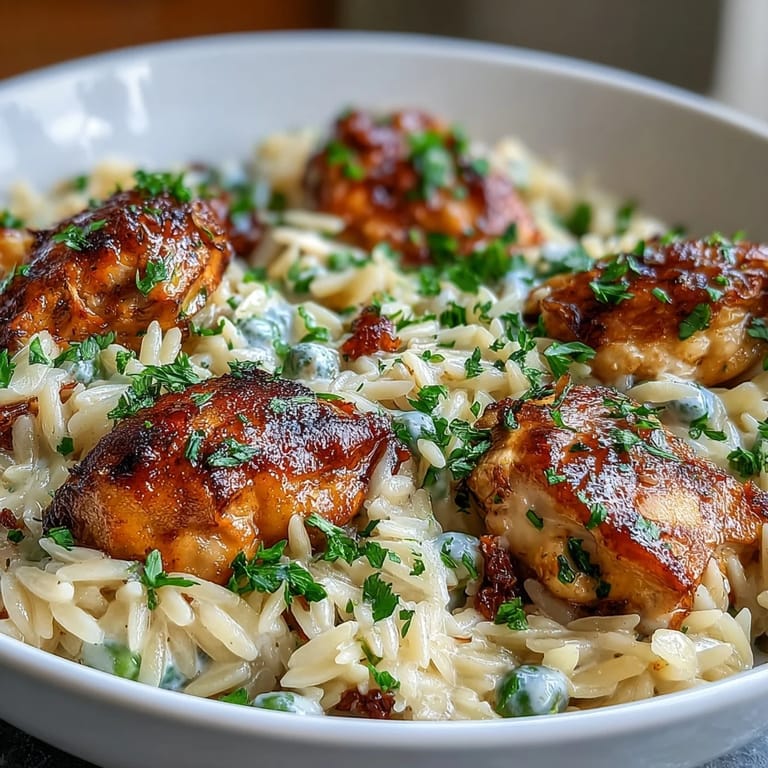
Save When the lemon scent fills your kitchen and you hear laughter at the table, that's when this recipe really shines. I hope it offers you easy moments and vibrant flavors, whether for weeknight dinners or spontaneous company.
Recipe FAQs
- → Can I substitute the chicken?
Yes, shrimp or tofu work well as alternatives. Adjust cooking times for these ingredients accordingly.
- → What is the best way to make it creamier?
Stir in a splash of heavy cream before serving for extra richness and a silkier texture.
- → Does the dish require fresh peas or can I use frozen?
Frozen peas are ideal and save prep time. Simply thaw them before mixing into the pot.
- → What type of pan should I use?
A large, deep skillet or Dutch oven ensures even cooking and makes cleanup easier.
- → How should leftovers be stored?
Cool completely, then store in an airtight container in the refrigerator for up to three days.
- → Is this meal suitable for nut-free diets?
Yes, it is naturally nut-free. Always check individual ingredient labels if allergies are a concern.