 Save
Save There's a particular afternoon light that streams through kitchen windows in late spring, and that's exactly when I first understood why lemon tarts matter. A friend arrived with one from a French bakery, its surface glossy and pale, and the moment we cut into it, the filling jiggled ever so slightly—that knowing wobble of something made with real intention. I spent the next week chasing that exact texture, that balance between silky and set, and when I finally nailed it, I realized this tart isn't just elegant; it's honest, built on the simplest promise of butter, eggs, and bright citrus.
I made this for my mother's book club on a random Thursday, honestly just wanting an excuse to use my grandmother's old tart pan. When they all showed up, the house already smelled like toasted butter and fresh lemon, and I watched three different people take seconds without saying a word—just quiet nods and satisfied sighs. That's when I knew this wasn't a showstopping dessert so much as a conversation-ender, the kind that makes people sit back and remember why they love eating together.
Ingredients
- All-purpose flour: Use 160 g by weight if you have a scale; it's more reliable than cups and prevents a dense, tough crust.
- Unsalted butter, cold and cubed: Cold butter is non-negotiable here—it creates those tiny pockets of steam that make the crust shatter.
- Powdered sugar: Dissolves into the dough faster than granulated, keeping things tender and giving you that subtle sweetness that doesn't compete with the filling.
- Fine sea salt: A whisper of salt in both crust and filling brightens the lemon without making anything taste salty.
- Egg yolk (for crust): Binds everything together while keeping the crumb tender; use the egg yolk only, not the whole egg.
- Ice water: Keep it ice-cold; warm water makes the butter soften before the dough comes together, ruining your texture.
- Eggs and egg yolks (for filling): 3 eggs plus 2 extra yolks give you enough richness and custardy body without being eggy-tasting.
- Granulated sugar: This sweetens the filling and helps the eggs cook evenly as they set.
- Freshly squeezed lemon juice: Don't even consider bottled juice; fresh juice tastes bright, complex, and tart in ways the bottled version never quite reaches.
- Lemon zest: Finely grated, it brings little bursts of flavor and oils that round out the tartness.
- Unsalted butter, melted (for filling): Melted and cooled butter emulsifies with the eggs, creating that silky filling texture.
Tired of Takeout? 🥡
Get 10 meals you can make faster than delivery arrives. Seriously.
One email. No spam. Unsubscribe anytime.
Instructions
- Preheat and prepare:
- Set your oven to 350°F (175°C) and arrange the rack so your tart will sit in the middle—hot spots in corners can over-bake the edges.
- Build the crust:
- Pulse flour, powdered sugar, and salt in a food processor until combined, then scatter cold butter cubes over top and pulse just until the mixture looks like coarse breadcrumbs with pea-sized bits of butter still visible. Add the egg yolk and 2 tablespoons of ice water, pulsing gently until the dough barely comes together—it should feel slightly shaggy, not smooth, because overworking makes the crust tough.
- Chill the dough:
- Turn the dough onto a floured surface, press it into a disk (don't knead it), wrap it in plastic, and chill for 30 minutes if you have time; this lets the gluten relax and keeps the butter from melting during rolling. Even 15 minutes helps, though longer is better.
- Roll and line the pan:
- Dust your work surface and the dough lightly with flour, then roll the dough to about 1/8-inch thickness, working from the center outward. Carefully transfer it to your tart pan, pressing gently into corners and up the sides, then roll a rolling pin across the top to trim the excess. Prick the bottom with a fork all over to prevent puffing.
- Blind bake the crust:
- Line the crust with parchment paper, fill it with pie weights or dried beans (pushing them up the sides), and bake for 15 minutes until the edges are set but not brown. Remove the weights and parchment, then bake another 10 minutes until the bottom is pale golden and looks dry—this ensures a crisp, non-soggy base.
- Whisk the filling:
- While the crust bakes, whisk together whole eggs, extra yolks, sugar, fresh lemon juice, lemon zest, melted butter, and salt in a large bowl until completely smooth and pale—the sugar should dissolve and the mixture should look homogeneous. Whisking well ensures the filling bakes evenly without any lumps.
- Fill and bake:
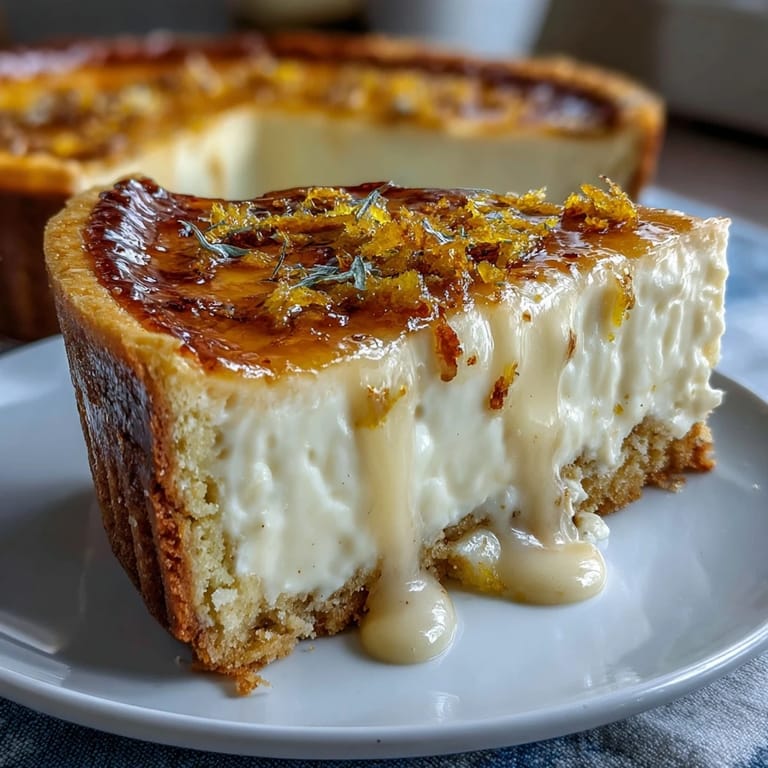
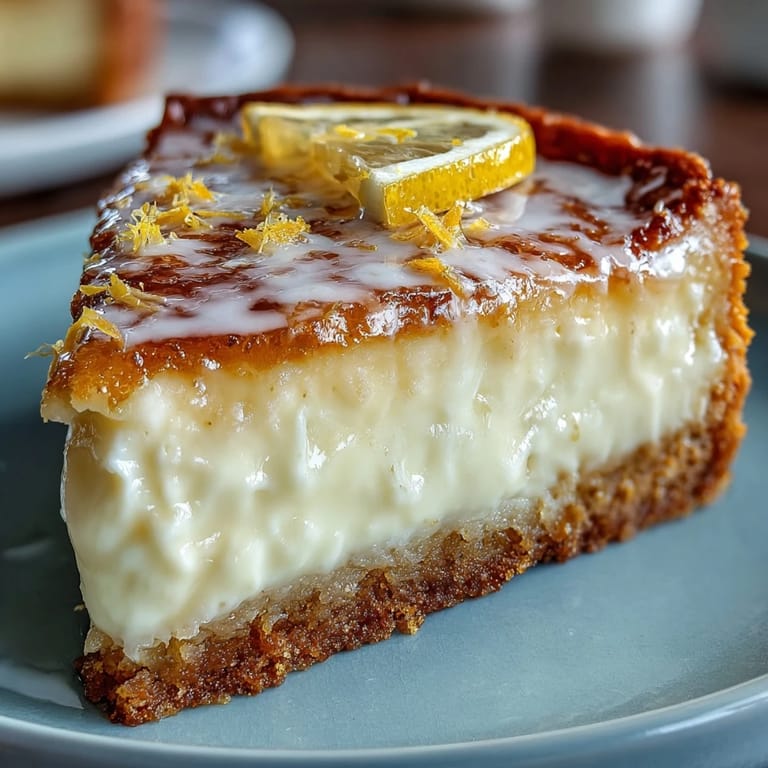
- Pour the filling into the warm crust (the warmth helps it set evenly) and bake for 20 to 25 minutes; the center should still jiggle slightly when you gently shake the pan, like barely-set custard. A little wobble in the very middle means the residual heat will finish cooking it as it cools, leaving you with that silky texture instead of a rubbery filling.
- Cool and chill:
- Let the tart cool completely on a wire rack at room temperature, then refrigerate for at least 2 hours (or up to overnight) before serving; this firms it up so slices stay neat and the flavors meld into something more rounded and refined.
- Finish and serve:
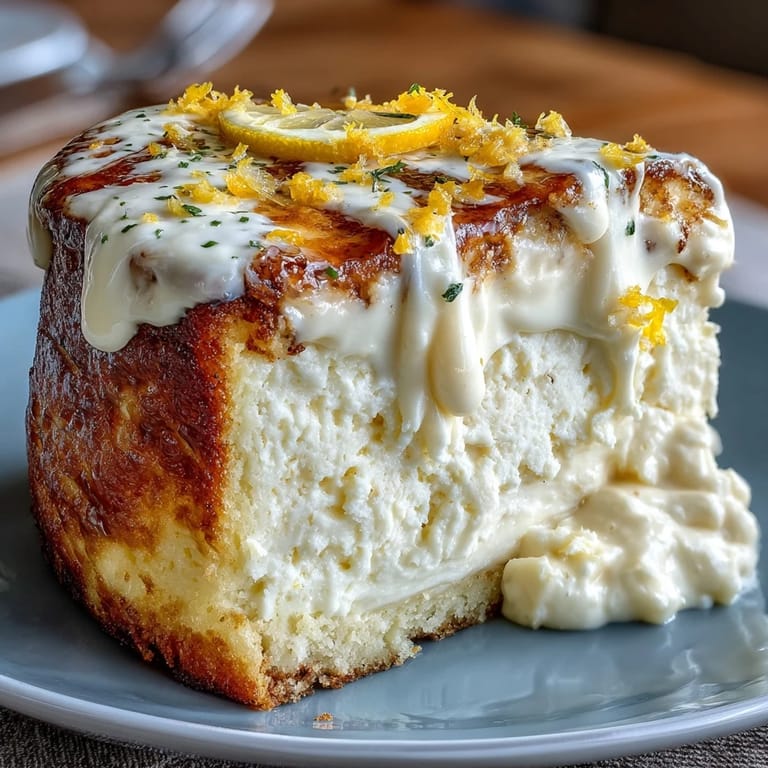
- Just before serving, dust the top lightly with powdered sugar and arrange thin lemon slices, fresh berries, or mint leaves for a pop of color and freshness.
 Save
Save I once brought this tart to a potluck at a neighbor's house, and an older woman named Margaret—who barely spoke to anyone—pulled me aside afterward and asked how I made it, saying it reminded her of something her grandmother used to bake. We ended up talking for twenty minutes about French desserts and the difference between butter in America and butter in Normandy, and suddenly the tart became this small bridge between two people. That's when I really understood that food is sometimes just an excuse to connect.
Why the Crust Matters
People think pastry crust is intimidating, but it's really just about temperature and patience. The reason we use cold butter, ice water, and a light hand is that we're trying to keep the butter and flour separate as long as possible—during baking, the butter melts, creating steam pockets that make the crust flaky and delicate instead of dense and bread-like. The moment you overwork the dough (even five extra pulses in the food processor), you're developing gluten strands that make pastry tough. I learned this the hard way when I kept squishing the dough with my hands instead of letting the machine do the work, and for years I thought I was just bad at pastry.
Balancing Tartness and Sweetness
What surprised me most about perfecting this tart was learning that tartness isn't just the lemon juice—it's a conversation between the juice, the zest, and the sugar. Fresh lemon juice is naturally acidic and sharp, but when you add the zest, you're including the oils that make lemon taste bright and complex rather than one-note sour. The butter in the filling softens the edges too, coating your palate so the tartness feels elegant instead of puckering. The first time I skipped the zest to save time, the filling tasted thin and aggressive; adding it back transformed the whole thing into something rounded and grown-up.
Serving and Storage Secrets
A lemon tart is actually better a day after baking—the flavors have time to meld and soften into something more coherent, and the crust stays crisp in the cold. Store it covered in the refrigerator for up to three days, but let it sit at room temperature for 15 minutes before slicing; cold pastry can shatter unevenly, while slightly cool pastry cuts cleanly and releases from the pan without fuss. A hot knife (dip it in hot water and wipe it dry between cuts) makes slicing look effortless.
- Pair it with whipped cream, crème fraîche, or a small glass of very cold dessert wine like Sauternes to echo the brightness of the lemon.
- If you make this a day ahead, dust it with powdered sugar and add fresh garnishes just before serving so they don't weep into the tart.
- Leftovers (if there are any) are stunning for breakfast the next morning with a cup of strong coffee.
 Save
Save This tart has become the dessert I reach for when I want to feel like I've done something generous and thoughtful without spending all day in the kitchen. It's the kind of food that says hello to people in a quiet, confident way.
Recipe FAQs
- → How do I achieve a crisp buttery crust?
Keep the butter cold and pulse it with flour and sugar until coarse crumbs form. Adding ice water sparingly helps bring the dough together without overworking, preserving flakiness.
- → Can I prepare the tart in advance?
Yes, bake the crust and filling, then chill the tart for at least two hours or overnight for best texture and flavor before serving.
- → What alternatives can I use for lemon juice?
Blood orange or lime juice can be substituted partially or fully for lemon to offer a different citrus twist.
- → How to know when the filling is perfectly baked?
The center should be just set but still slightly wobbly when gently shaken, ensuring a creamy and smooth texture after cooling.
- → What garnishes complement this tart?
Dusting with powdered sugar and adding thin lemon wheels, fresh berries, or mint leaves enhance both flavor and presentation.