 Save
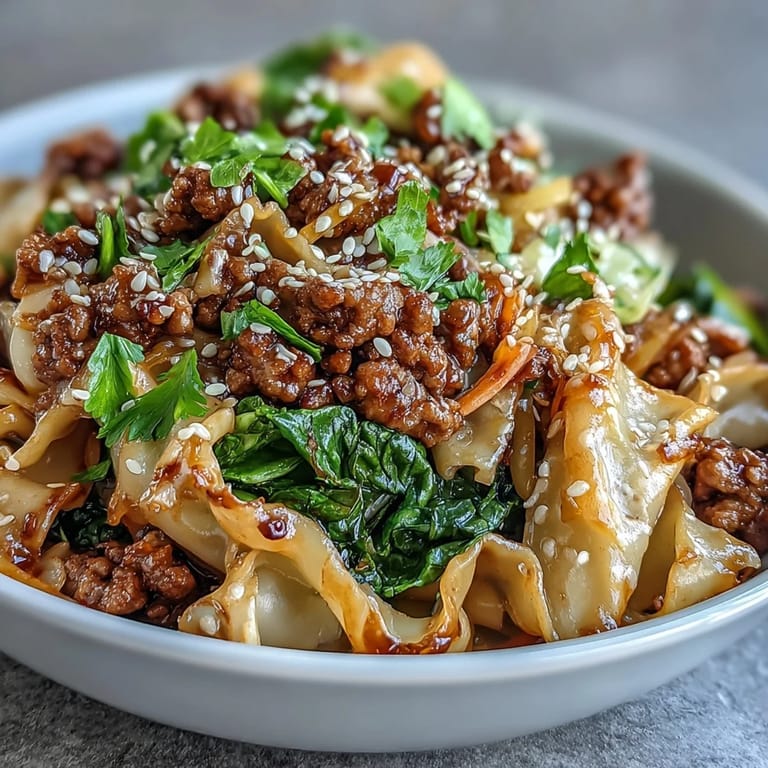
Save My neighbor dropped off a bag of frozen potstickers one evening, and I stared at them knowing I wanted that flavor but craved something lighter, something I could twirl with chopsticks. I had rice noodles in the pantry, ground pork in the fridge, and a head of cabbage that needed using. What started as improvisation turned into a weekly ritual. Now, whenever I want the salty-sweet punch of a dumpling without the fuss of folding wrappers, I make this bowl.
The first time I served this to friends, they kept asking what restaurant I ordered from. When I told them I made it in under forty minutes, one of them actually laughed out loud. By the second bowl, they stopped talking and just ate. I learned that night that the secret is in browning the meat properly and not overdressing the noodles. Let the ingredients speak, and people will listen with their forks.
Ingredients
- Rice noodles (8 oz): They stay tender and slippery, perfect for grabbing all that sauce without getting gummy like wheat noodles sometimes do.
- Ground pork (1 lb): The fat renders beautifully and crisps up at the edges, giving you those savory, caramelized bits that make each bite interesting.
- Soy sauce, sesame oil, cornstarch, white pepper, sugar, salt: This is the dumpling filling seasoning, the same blend youd use inside wrappers, and it makes the meat taste like it belongs in a dim sum basket.
- Garlic (3 cloves), ginger (1 tbsp): Freshly minced, these two create the aromatic base that fills your kitchen with that unmistakable takeout smell.
- Green onions (4): Use the whites early for fragrance and the greens at the end for a pop of color and sharpness.
- Cabbage (2 cups), carrots (1 cup), mushrooms (1 cup): Shredded thin, they cook quickly and add crunch, sweetness, and earthiness without weighing down the bowl.
- Potsticker-style sauce (soy, rice vinegar, oyster sauce, chili-garlic, sesame oil, brown sugar, broth): This is the soul of the dish, a balanced mix of salty, tangy, sweet, and spicy that clings to every noodle.
- Cilantro, sesame seeds, lime wedges: Fresh finishing touches that bring brightness and a nutty crunch right before you dig in.
Tired of Takeout? 🥡
Get 10 meals you can make faster than delivery arrives. Seriously.
One email. No spam. Unsubscribe anytime.
Instructions
- Prepare the noodles:
- Boil them until just tender, then drain and rinse quickly under cold water to stop the cooking. Toss with a few drops of oil so they dont clump into a brick while you work on everything else.
- Season the meat:
- Whisk together the soy sauce, sesame oil, cornstarch, white pepper, sugar, and salt, then fold it gently into the ground pork until it feels slightly sticky. If youre adding minced cabbage, squeeze it dry first so it doesnt water down the mixture.
- Make the sauce:
- Combine soy sauce, rice vinegar, oyster or hoisin sauce, chili-garlic sauce, sesame oil, brown sugar, and broth in a bowl and whisk until the sugar dissolves. Taste it now and adjust the heat or sweetness to your liking.
- Prepare the vegetables:
- Shred the cabbage and carrots, slice the mushrooms thin, and separate the white and green parts of the scallions. Having everything ready before you start cooking makes the whole process feel calm and controlled.
- Brown the meat:
- Heat oil in a large skillet or wok over medium-high heat, then crumble in the seasoned pork in an even layer and let it sit undisturbed for a few minutes. Those crispy, golden edges are where the flavor lives, so resist the urge to stir too soon.
- Add aromatics:
- Push the browned meat to one side, add a little more oil to the empty space, then toss in the garlic, ginger, and scallion whites. Stir for about a minute until your kitchen smells like a night market.
- Cook vegetables:
- Add the mushrooms first and let them soften, then toss in the cabbage and carrots and stir-fry until the cabbage wilts but still has some bite. If the pan looks dry, add a splash of water to keep things moving.
- Combine with sauce:
- Pour the prepared sauce over the meat and vegetables, toss everything together, and let it simmer for a minute or two until the sauce thickens just slightly. The pan should look glossy and smell incredible.
- Add noodles:
- Toss the cooked noodles into the skillet and fold them gently into the sauce and vegetables. If it looks dry, add a few tablespoons of water or broth until the noodles are slick and well coated.
- Finish and serve:
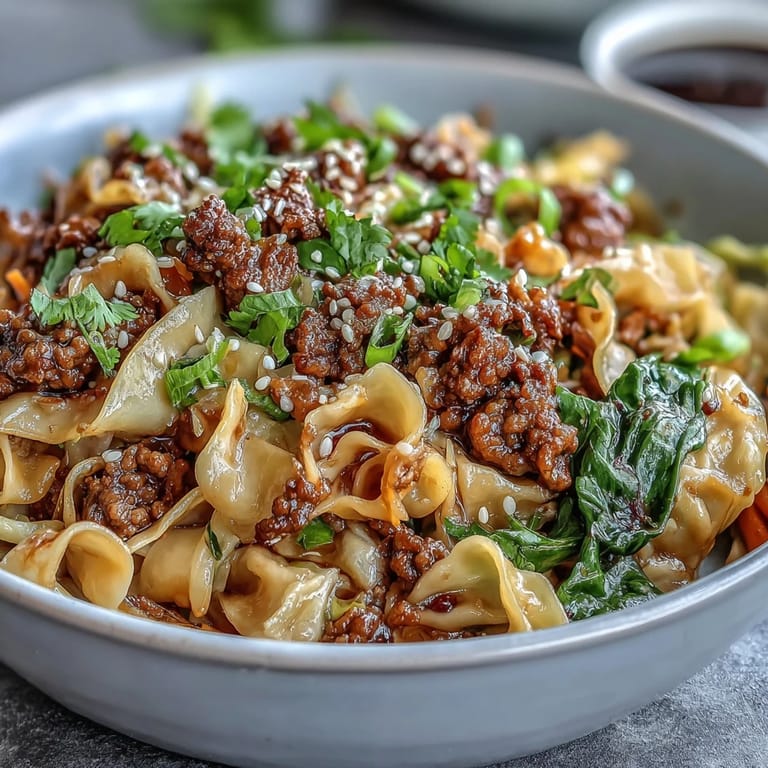
- Taste and adjust with more soy sauce, chili-garlic sauce, or a squeeze of lime, then stir in half the green onion tops. Divide into bowls and top with the remaining green onions, cilantro, and sesame seeds.
 Save
Save One rainy Tuesday, I made this for myself and ate it straight from the skillet, standing at the stove with chopsticks in one hand and my phone in the other. No plating, no audience, just me and a bowl of noodles that tasted exactly like comfort. Sometimes the best meals are the ones no one else sees, the ones you make because you know exactly what will fix the day. This recipe has become that for me.
Choosing Your Protein
Ground pork is traditional and my favorite because the fat renders into the sauce and adds richness, but ground chicken works beautifully if you want something leaner. Turkey is fine too, though it can be a little dry, so I add an extra teaspoon of sesame oil to the seasoning mix. I have also used crumbled firm tofu for a vegetarian version, pressing it well and browning it in the same way. The key is to season whatever protein you choose with that dumpling-style marinade so the flavor stays authentic.
Vegetables You Can Swap
Cabbage and carrots are my base because they are always in my fridge, but napa cabbage is even closer to what youd find in a real potsticker. Baby bok choy adds a tender, slightly bitter note, and snap peas bring sweetness and crunch. I have thrown in thinly sliced bell peppers, julienned zucchini, and even frozen edamame when I was running low on fresh produce. The goal is to keep the vegetables finely cut so they cook quickly and integrate into the noodles without overpowering them.
Storing and Reheating
Leftovers keep in the fridge for up to three days, though the noodles will absorb more sauce as they sit. When reheating, add a few tablespoons of water or broth to a skillet and warm everything over medium heat, tossing gently until heated through. The microwave works in a pinch, but the skillet brings back some of that fresh-cooked texture. If you know youll have leftovers, store the cilantro and sesame seeds separately and add them fresh when you reheat.
- Add a soft-boiled or fried egg on top for extra richness and a runny yolk that turns into sauce.
- Drizzle with a little extra chili oil or sriracha if you want more heat without making a new batch of sauce.
- Serve with lime wedges on the side because a squeeze of citrus at the end brightens everything.
 Save
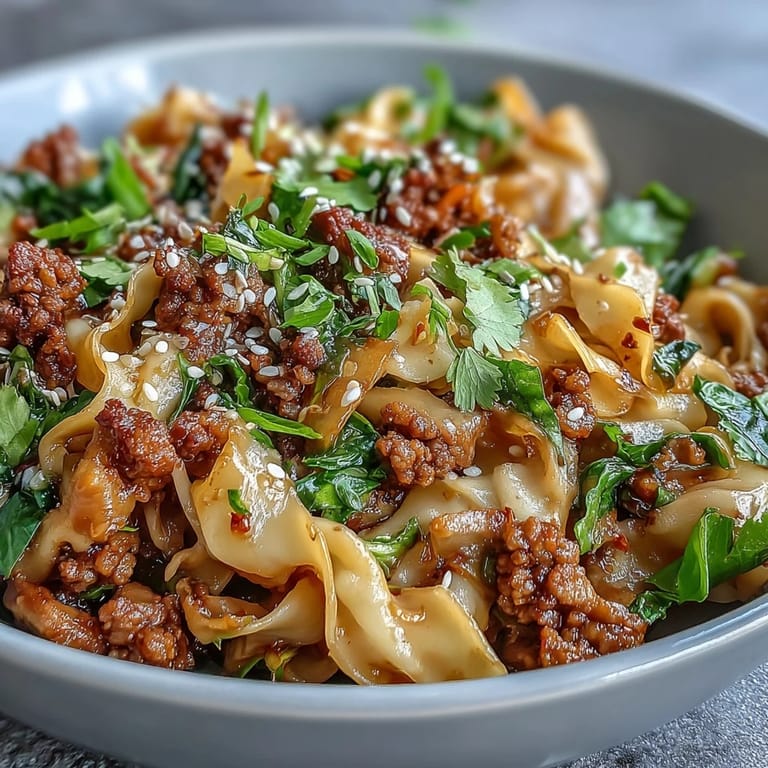
Save This bowl has saved more weeknights than I can count, and every time I make it, I remember why I started cooking in the first place. It is fast, forgiving, and full of flavor, the kind of recipe that feels like a hug from the inside out.
Recipe FAQs
- → Can I use different noodles?
Yes, you can substitute rice noodles with lo mein, udon, soba, or even spaghetti. Adjust cooking time according to package instructions.
- → Is this dish spicy?
The level of heat is customizable based on the amount of chili-garlic sauce used. Start with less and add more to taste.
- → Can I make this gluten-free?
Absolutely. Use rice noodles, gluten-free tamari instead of soy sauce, and gluten-free oyster sauce. Double-check all labels.
- → How long do leftovers keep?
Store leftovers in an airtight container in the refrigerator for up to 3 days. Reheat with a splash of water or broth to refresh.
- → Can I use other proteins?
Ground chicken, turkey, beef, or plant-based crumbles work well. Adjust cooking time as needed for different proteins.
- → What vegetables can I add?
Baby bok choy, napa cabbage, bell peppers, snap peas, or broccoli make excellent additions or substitutions.