 Save
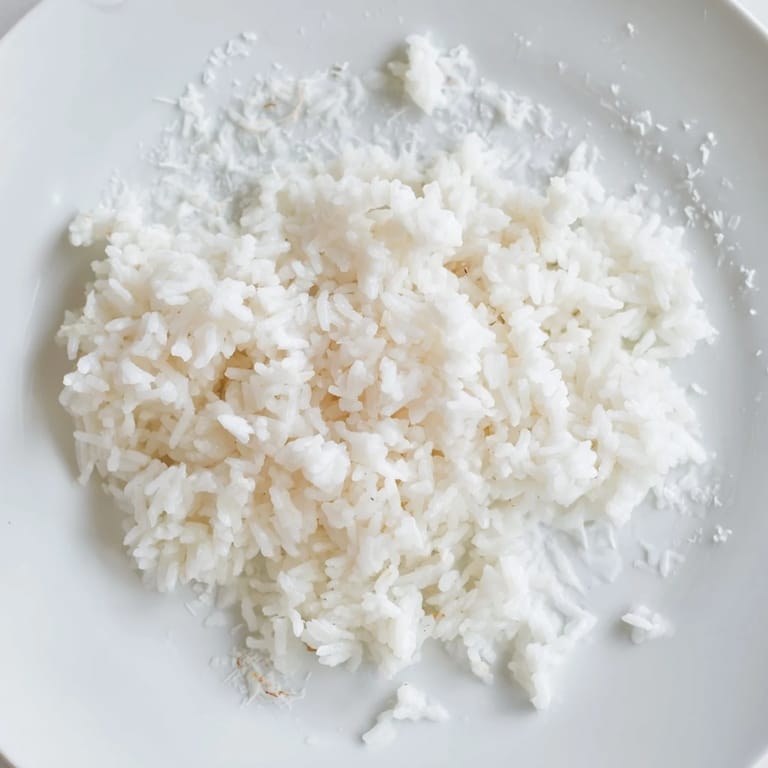
Save There's a particular quiet that falls over my kitchen when I'm making coconut jasmine rice, and it's become my favorite kind of cooking meditation. The first time I really understood this dish wasn't from a recipe book but from sitting in a friend's Bangkok apartment, watching her mother move through the kitchen with barely a glance at measurements, letting her hands know when the rice was ready. I came home and tried to recreate that same calm, that same fragrance, and something about the way jasmine rice releases its perfume into steaming coconut milk just felt like coming home.
I remember making this for a weeknight dinner when my sister visited, and she sat at the kitchen counter just breathing in the steam rising from the pot, not saying anything, just smiling. When we served it alongside some simple grilled chicken, she went back for seconds before even tasting the main dish. That's when I realized this wasn't just a side dish—it was the kind of thing that makes people feel cared for without any fuss.
Ingredients
- Jasmine rice, 1 cup: Rinse it thoroughly until the water runs clear, which removes excess starch and keeps the grains separate and delicate instead of gluey. This step genuinely changes everything.
- Coconut milk, 1 cup (full-fat, unsweetened): Full-fat is non-negotiable here; it creates that rich, subtle sweetness that makes people ask what you did differently.
- Water, 1 cup: This balance between coconut milk and water keeps the rice from becoming heavy, letting the jasmine fragrance actually shine.
- Salt, ½ teaspoon: Seems small, but it deepens the coconut flavor and prevents the rice from tasting flat or one-dimensional.
- Sugar, 1 teaspoon (optional): I use this when I want to echo the sweetness of the coconut milk, though leaving it out keeps things more savory and refined.
Tired of Takeout? 🥡
Get 10 meals you can make faster than delivery arrives. Seriously.
One email. No spam. Unsubscribe anytime.
Instructions
- Rinse and drain the rice:
- Run cold water over the jasmine rice in a fine-mesh strainer, gently stirring with your fingers until the water turns from milky white to almost clear. This removes the starch that would make your rice clumpy instead of fluffy.
- Combine everything in the saucepan:
- Pour the rinsed rice, coconut milk, water, salt, and sugar (if using) into your medium saucepan and give it a good stir, breaking up any clumps of rice. You want everything distributed evenly before heat touches it.
- Bring to a boil:
- Set the heat to medium and let it come to a gentle boil; you'll see the liquid start to bubble around the edges. This usually takes 3–4 minutes.
- Reduce heat and cover:
- Once it's boiling, turn the heat down to low, place the lid on tightly, and resist the urge to peek. This is the hardest part, but the trapped steam is doing the real work.
- Simmer for 15 minutes:
- Set a timer and walk away, trusting that the rice is absorbing the coconut-scented liquid and becoming tender. You might smell that gorgeous jasmine and coconut perfume starting to fill your kitchen.
- Rest and fluff:
- When the timer goes off, remove the pan from heat but leave the lid on for another 10 minutes. Then, use a fork to gently fluff the rice, separating the grains so each one is tender and distinct.
 Save
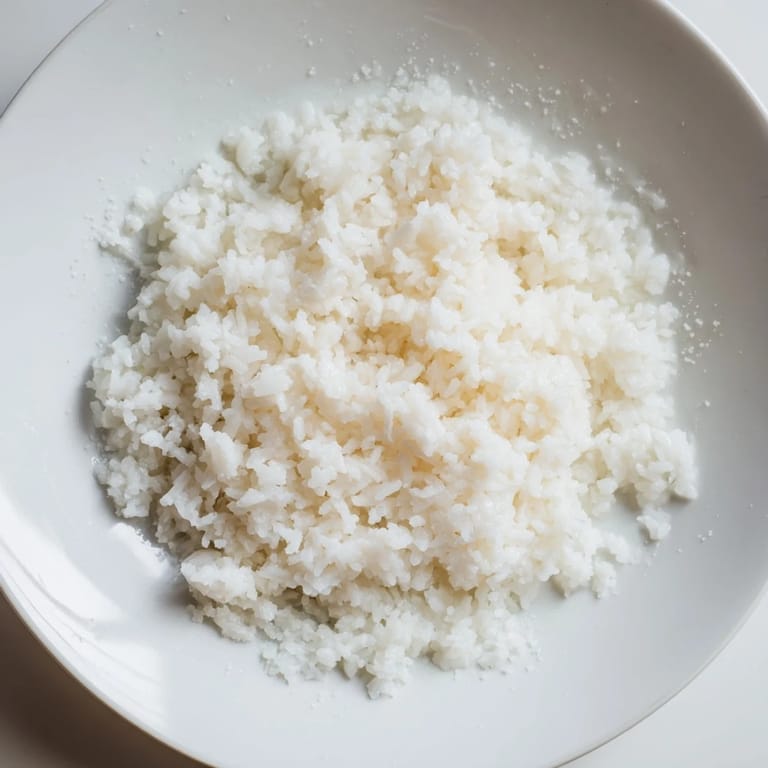
Save There's a moment right when you fluff the rice, when the steam rises and carries that jasmine and coconut fragrance straight to your face, and suddenly you understand why this dish has been made the same way for generations. It's not fancy, it's not complicated, but it's undeniably beautiful in its simplicity.
Aromatic Variations Worth Trying
Once you master the basic version, you can gently nudge the flavors in different directions while keeping the technique exactly the same. Pandan leaves or a small piece of ginger stirred in during cooking will add layers of aroma without overpowering the jasmine. I've also tried adding a single star anise or a sliver of lime zest, and each one creates a different kind of comfort on the plate. The rice itself stays unchanged; you're just letting it pick up subtle background notes that make it feel new.
When You Want to Go Richer
If you're cooking this alongside something relatively mild or you want the rice to be the main event, replace the water with an equal amount of additional coconut milk. The rice becomes denser, more decadent, and the coconut flavor wraps around every grain. I do this when I'm making it for someone who's usually hesitant about rice, because the richness of the coconut milk makes it impossible to pass by.
Pairing and Serving Smart
This rice is genuinely hungry for accompaniments; it's a supporting player that somehow steals scenes when you give it the right partners. Thai green curries, grilled fish with lime, stir-fried vegetables with soy and garlic—all of these shine brighter when served over or beside coconut jasmine rice. Think of it as the edible equivalent of listening well; it makes everyone around it sound better.
- Make it ahead and reheat gently with a splash of water if you need to free up your stovetop on cooking day.
- Leftovers keep for three days refrigerated and are wonderful fried up the next morning with an egg on top.
- If you're cooking for someone with a coconut allergy, jasmine rice cooked in water alone is still deeply comforting, just without that special richness.
 Save
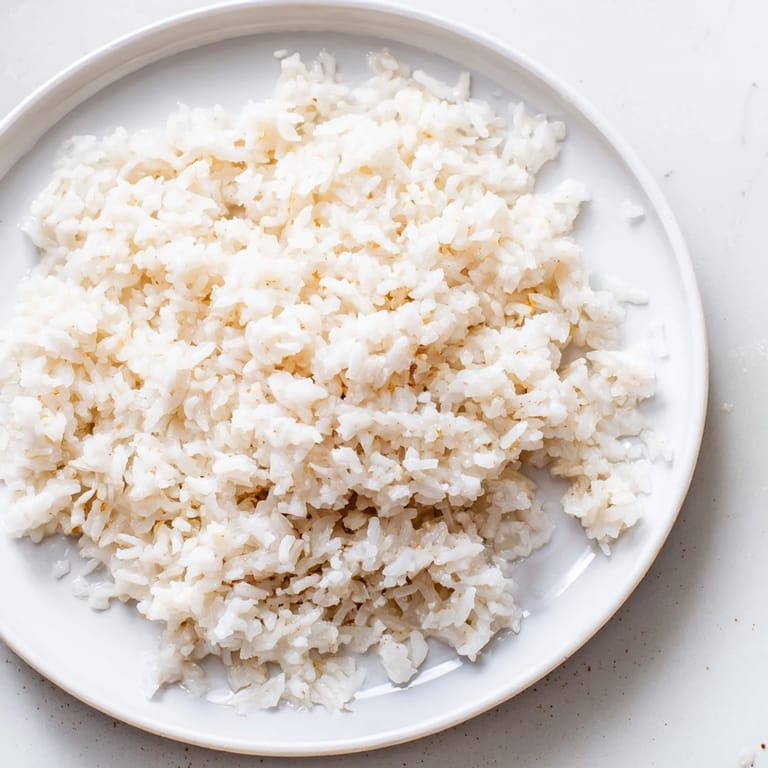
Save This is the kind of rice that makes ordinary moments feel a little more intentional, a little more cared for. It's why I keep jasmine rice and coconut milk stocked like staples, ready for whichever night needs something warm and fragrant.
Recipe FAQs
- → Can I use regular rice instead of jasmine?
While jasmine rice provides a unique fragrance, you can substitute with long-grain rice; however, flavor and texture will differ slightly.
- → What does adding pandan leaves do?
Pandan leaves impart a subtle floral aroma that enhances the coconut and jasmine rice flavors without overpowering.
- → Is full-fat coconut milk necessary?
Full-fat coconut milk enriches the creaminess and flavor, but light coconut milk can be used for a lighter texture.
- → Can I adjust the sweetness level?
Yes, sugar is optional and can be adjusted or omitted based on personal taste preferences.
- → How should I store leftovers?
Store in an airtight container in the refrigerator for up to 3 days; reheat gently to preserve moisture.