 Save
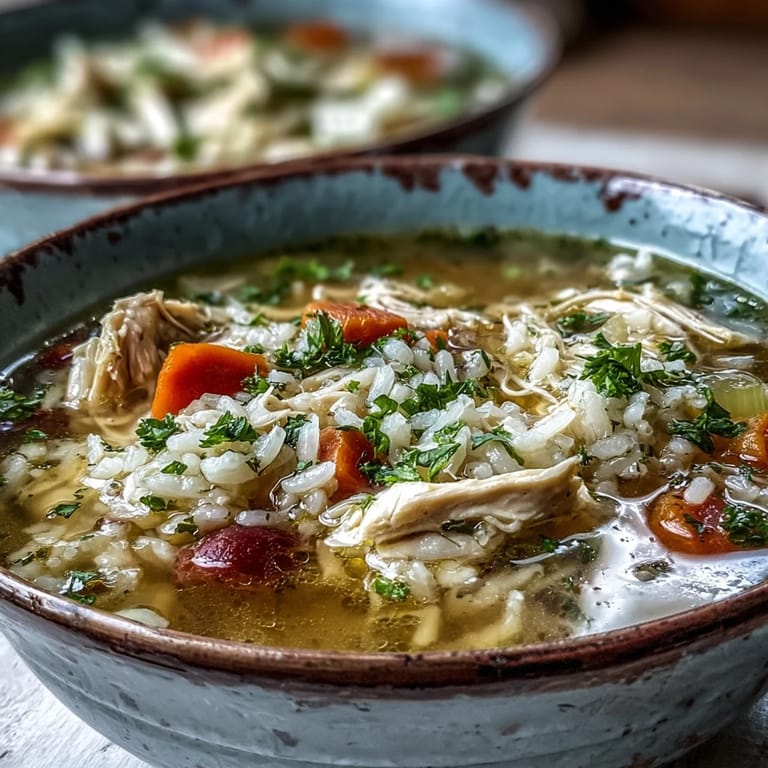
Save The first winter after moving into our cabin, I caught a nasty cold that left me shivering despite the roaring fireplace. My neighbor Elaine appeared at the door with a steaming pot of chicken and rice soup, and I swear the aroma alone started my recovery. The way the broth filled our little kitchen with warmth convinced me I needed to master this recipe myself. Now it's my turn to be the neighbor with the healing pot of goodness whenever someone's feeling under the weather.
Last February during that surprise snowstorm, I made a huge batch that lasted us three days straight. The power flickered on and off, but we had the gas stove and this soup to sustain us. My daughter started calling it our blizzard soup, dunking thick slices of buttered bread into her bowl and declaring it better than any restaurant version. Now she requests it whenever the forecast shows even a hint of snow, and honestly, I never mind obliging.
Ingredients
- Boneless chicken breasts: The star protein becomes incredibly tender when simmered slowly, and using breasts keeps the broth clear and light.
- Long-grain white rice: I once tried arborio thinking it would be creamier, but it made the soup too starchy - stick with long-grain for distinct, separate grains.
- Mirepoix (onion, carrots, celery): This trinity of vegetables creates the aromatic foundation that makes your kitchen smell like everything good about winter.
- Fresh parsley and lemon: These finishing touches cut through the richness with brightness that wakes up all the flavors.
Tired of Takeout? 🥡
Get 10 meals you can make faster than delivery arrives. Seriously.
One email. No spam. Unsubscribe anytime.
Instructions
- Build the flavor base:
- Heat the olive oil until it shimmers, then add your diced onion, carrots, and celery. You want to hear a gentle sizzle as they release their aromatics into the oil.
- Bloom the aromatics:
- When you add the garlic and herbs, take a moment to breathe in deeply - this 60-second step perfumes the oil and makes all the difference.
- Create the soup foundation:
- As you pour in that chicken broth, use your spoon to scrape up any browned bits from the bottom of the pot. Those little caramelized pieces contain concentrated flavor that will enrich your broth.
- The magic simmer:
- Keep the heat just high enough to maintain gentle bubbles breaking the surface, not a rolling boil. This slow approach allows the rice to release its starch gradually while the chicken cooks to perfect tenderness.
- Shred and finish:
- The chicken should pull apart effortlessly with forks, a sign its reached that ideal texture. Return it to the pot quickly so it can absorb more of that flavorful broth.
 Save
Save When my brother visited during his divorce, he sat quietly at my kitchen table watching the steam rise from his bowl. After the first spoonful, his shoulders relaxed for what seemed like the first time in months. We didnt talk much that evening, but he had three servings and slept soundly on my couch. Sometimes nourishment speaks louder than words, and this soup has become my way of saying I care when nothing else seems adequate.
Storing and Freezing
I learned the hard way that rice continues absorbing broth even in the refrigerator, turning what was once soup into something closer to congee by the next day. Now I store leftover soup in wide, shallow containers which helps it cool quickly and prevents the rice from becoming too mushy. When reheating, I always have extra broth on hand to restore that perfect consistency, gently warming it on the stovetop rather than microwaving which can make the chicken tough.
Variations to Try
Over the years, Ive experimented with countless versions of this soup to keep it in regular rotation without boring my family. Swapping wild rice creates a nuttier flavor profile that pairs beautifully with mushrooms added to the vegetable base. During garden season, a handful of fresh spinach or kale stirred in just before serving adds vibrant color and extra nutrition. My husband prefers when I use rotisserie chicken and add it at the end, which saves time on busy weeknights and brings a deeper, almost smoky element to the broth.
Serving Suggestions
This soup deserves thoughtful accompaniments that enhance its comforting qualities without overwhelming its subtle flavors. A simple green salad dressed with just olive oil and lemon provides refreshing contrast to the warm, savory bowl. Crusty sourdough or a batch of quick drop biscuits creates perfect vehicles for soaking up every last drop of broth. On especially cold evenings, I serve small cups as a starter before the main course to warm everyone from the inside out.
- Sprinkle a little freshly grated parmesan on top just before serving for a subtle umami boost that complements the chicken perfectly.
- Keep a small dish of red pepper flakes on the table for anyone who enjoys a hint of heat cutting through the richness.
- Serve in pre-warmed bowls to keep the soup hot longer, especially when dining in drafty rooms during winter.
 Save
Save This chicken and rice soup has taught me that true comfort food isnt just about filling bellies, its about filling hearts. Whether youre making it for yourself or someone who needs a little care, its a bowl of simple goodness that speaks a universal language.
Recipe FAQs
- → Can I make this soup ahead of time?
Absolutely. This soup actually tastes better the next day as flavors continue to develop. Store in an airtight container for up to 4 days.
- → Can I freeze this soup?
Yes, freeze for up to 3 months. Note that rice may soften slightly upon reheating. Consider adding fresh rice when reheating.
- → What type of rice works best?
Long-grain white rice holds its shape beautifully. Brown rice adds fiber but requires extended cooking time.
- → Can I use rotisserie chicken?
Certainly. Add shredded rotisserie chicken during the final 5 minutes of cooking to heat through.
- → How can I make this soup creamier?
Stir in 1/4 cup heavy cream or coconut milk during the last 2 minutes of cooking for a rich, velvety texture.
- → What vegetables can I add?
Peeled diced potatoes, green beans, or frozen peas work wonderfully. Add them during the last 10 minutes of simmering.