 Save
Save There's something almost meditative about the sizzle of cold rice hitting hot oil, the way it transforms from clumpy and reluctant into something light and separate in just minutes. I discovered this dish not through recipe books but through necessity—a Friday night when the fridge held nothing but day-old rice and a few eggs, and I needed dinner ready before my roommate got home. What started as improvisation became the meal I reach for whenever I want something fast, warm, and genuinely satisfying without the takeout price tag.
I remember making this for a friend who'd just moved into their first apartment with an empty kitchen. We stood at a secondhand wok, both of us laughing because neither of us was entirely sure what we were doing, but somehow the rhythm of it—vegetables softening, rice crisping up, the smell of sesame filling the room—made it feel like we'd cooked together a hundred times before. That meal became their answer to every "what should I make?" question they asked me for the next three months.
Ingredients
- Cooked leftover rice (2 cups, preferably day-old and cold): Cold rice is essential—it won't turn mushy or clump together. If you only have warm rice, spread it on a plate and let it cool, or freeze it for 15 minutes before cooking.
- Large eggs (2): Beat them well before cooking so they scramble into small, tender pieces throughout the dish instead of forming one large omelet.
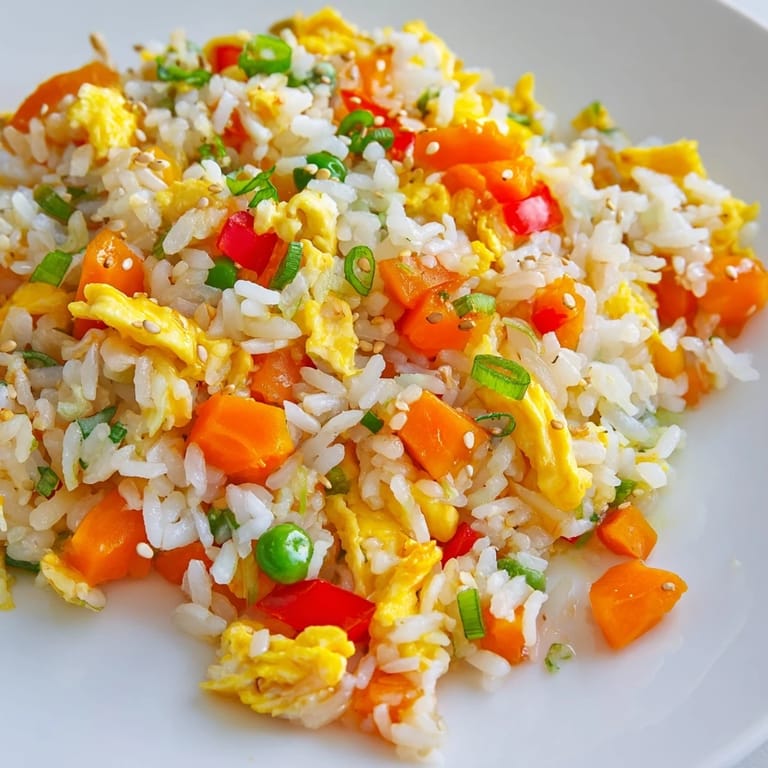
- Diced carrots (1/2 cup): Their slight sweetness balances the savory soy, and they hold their shape beautifully even with quick cooking.
- Frozen peas (1/2 cup, thawed): Thaw them ahead so they warm through without overcooking and turning mushy.
- Chopped scallions (1/4 cup): Split them into two portions—half goes in during cooking for flavor, half reserved for garnish to keep it fresh and bright.
- Diced bell pepper (1/2 cup, optional): Adds sweetness and texture, but honestly, this dish is forgiving—use it if you have it, skip it if you don't.
- Soy sauce (2 tablespoons): This is where the soul lives, so don't skip it, but taste as you go since saltiness varies by brand.
- Sesame oil (1 teaspoon): A little goes a long way—it's aromatic and rich, and adds a nutty depth that somehow makes the whole thing feel intentional.
- Ground white or black pepper (1/4 teaspoon): White pepper gives a subtle heat without visible specks, but black pepper works just fine if that's what you have.
- Vegetable oil (2 tablespoons): Use any neutral oil that can handle high heat—canola, peanut, or vegetable oil all work.
- Salt (to taste): Add only if needed after tasting, since soy sauce already brings saltiness.
Tired of Takeout? 🥡
Get 10 meals you can make faster than delivery arrives. Seriously.
One email. No spam. Unsubscribe anytime.
Instructions
- Get everything ready first:
- Dice your vegetables, thaw your peas, beat your eggs, and set everything within arm's reach of the stove. Once the wok gets hot, you won't have time to chop.
- Wake up the eggs:
- Heat 1 tablespoon of oil in a large skillet or wok over medium-high heat until it shimmers, then pour in your beaten eggs and scramble them quickly, breaking them into small pieces as they set. They should take about 1 minute—don't let them brown, just get them cooked through and then push them to the side or transfer to a plate.
- Build the vegetable base:
- Add your remaining 1 tablespoon of oil to the pan and toss in your carrots and bell pepper, letting them soften for about 2 minutes while they pick up a little color. You want them tender but still with a bit of snap.
- Bring in the rest:
- Stir in your thawed peas and half the scallions, cooking for just a minute until fragrant. This is when your kitchen smells like something intentional is happening.
- The rice transformation:
- Add your cold rice, breaking up any clumps as you stir-fry for 2 to 3 minutes, letting the grains separate and warm through. You'll hear the rice hitting the hot pan and gradually loosening up.
- Season and bind:
- Drizzle the soy sauce and sesame oil over the rice and toss everything together thoroughly, making sure the sauces coat every grain and the flavors blend. Give it a taste and adjust seasoning if needed.
- Bring it home:
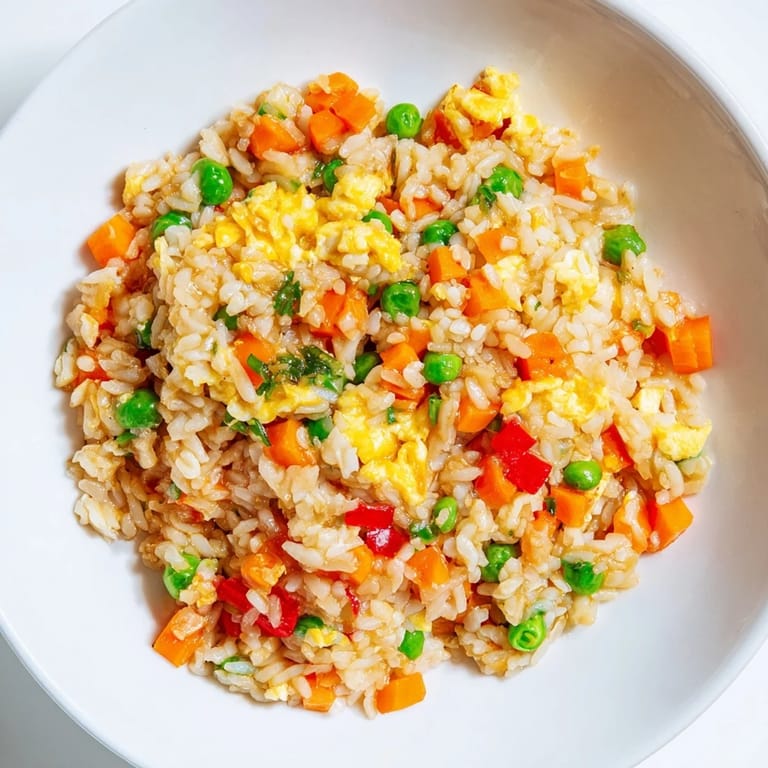
- Return those scrambled eggs to the pan and stir-fry everything together for another minute, then season with pepper and any additional salt your taste buds are asking for. Remove from heat and scatter the remaining fresh scallions on top as garnish, then serve hot.
 Save
Save The best part of this dish happened unplanned during a late-night cook session when a friend watched me make it and asked why I'd never shared this recipe before. I realized then that it wasn't about the ingredients—it was that this meal came from the same place as the best home cooking always does: knowing how to make something delicious from whatever's already at hand, and the confidence to trust that simplicity done well is better than complexity done badly.
Variations and Swaps That Actually Work
This recipe thrives on flexibility because the technique is solid—everything else is just personal preference. I've made it with corn instead of carrots on a summer afternoon, and the sweetness was perfect with the soy sauce. Broccoli florets work beautifully if you like something with more texture, and snap peas add a fresh crunch that feels slightly fancier. If you cook with protein at home, a handful of shredded cooked chicken or a few thawed shrimp go seamlessly into the rice during that final minute, and tofu works too—just make sure it's pressed dry so it doesn't release water and make everything soggy.
Flavor Boosters When You Want Depth
Sometimes I add a tiny bit of minced garlic or ginger when the vegetables first hit the oil—just a teaspoon of either, whisked in for 30 seconds before the harder vegetables go in. That small addition completely changes the character of the dish, making it feel more intentional and aromatic. A dash of white miso paste stirred into the soy sauce adds a savory umami layer that's hard to describe but instantly noticeable, and if you have it, a small drizzle of chili oil at the end gives heat without overpowering the delicate balance of the rice.
The Little Tricks That Make the Difference
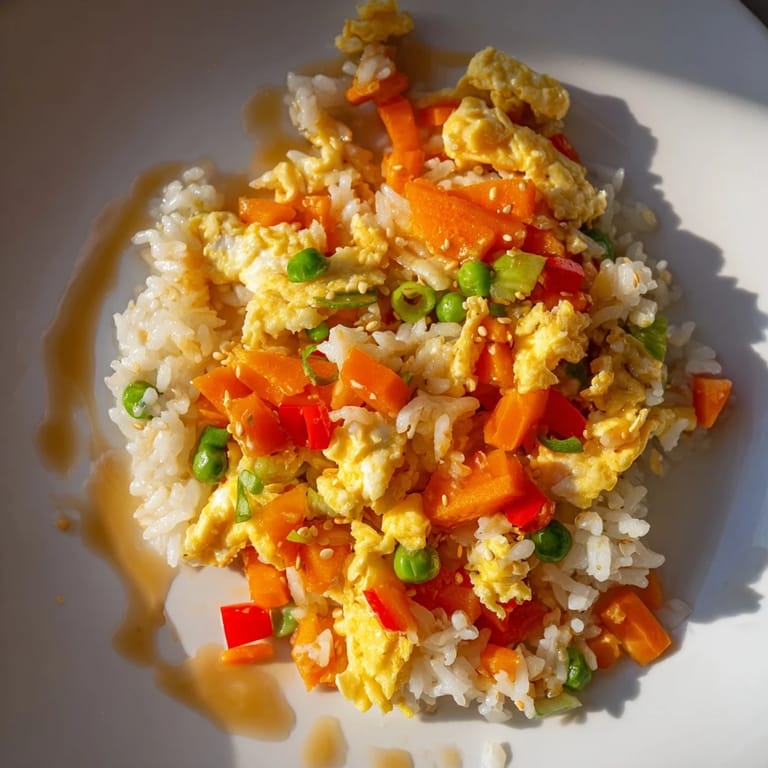
Watching your rice cook is half the joy—listen for that gentle popping sound as the grains toast slightly in the hot oil, and you'll know it's working. The sizzle tells you everything. Don't stir constantly; let the rice sit for 10 to 15 seconds between stirs so the bottom grains get a chance to crisp up a little. If you have sesame seeds on hand, a light sprinkle at the end adds texture and looks intentional on the plate.
- Use a wok if you have one because the high, sloped sides make tossing easier and faster, but a large skillet works just as well.
- Keep your heat consistent and high—wavering temperatures mean uneven cooking and mushy rice instead of separation.
- Taste and adjust seasonings at the end because soy sauce brands vary wildly in saltiness, and you want it perfectly balanced for your palate.
 Save
Save This is the kind of meal that teaches you something about cooking that extends far beyond fried rice: that speed and simplicity often taste better than fussy technique, and that feeding yourself well doesn't require fancy ingredients or hours in the kitchen. Make it tonight and taste what I mean.
Recipe FAQs
- → What type of rice works best for this dish?
Day-old cooked rice is ideal as it’s drier and prevents clumping during stir-frying, resulting in better texture.
- → Can I use other vegetables besides carrots and peas?
Yes, vegetables like bell peppers, corn, snap peas, or broccoli can be used to customize the flavor and texture.
- → How do I prevent the eggs from overcooking?
Quickly scramble the eggs over medium-high heat just until set, then remove from the pan before combining with other ingredients.
- → Is it possible to make this dish gluten-free?
Use certified gluten-free soy sauce or tamari to keep the dish gluten-free and safe for sensitive diets.
- → What oils work best for stir-frying here?
Neutral vegetable oils work well; a small amount of sesame oil added at the end provides extra aroma and flavor.
- → Can I add protein besides eggs to enrich the dish?
Yes, cooked chicken, tofu, or shrimp can be incorporated for added protein and variety.