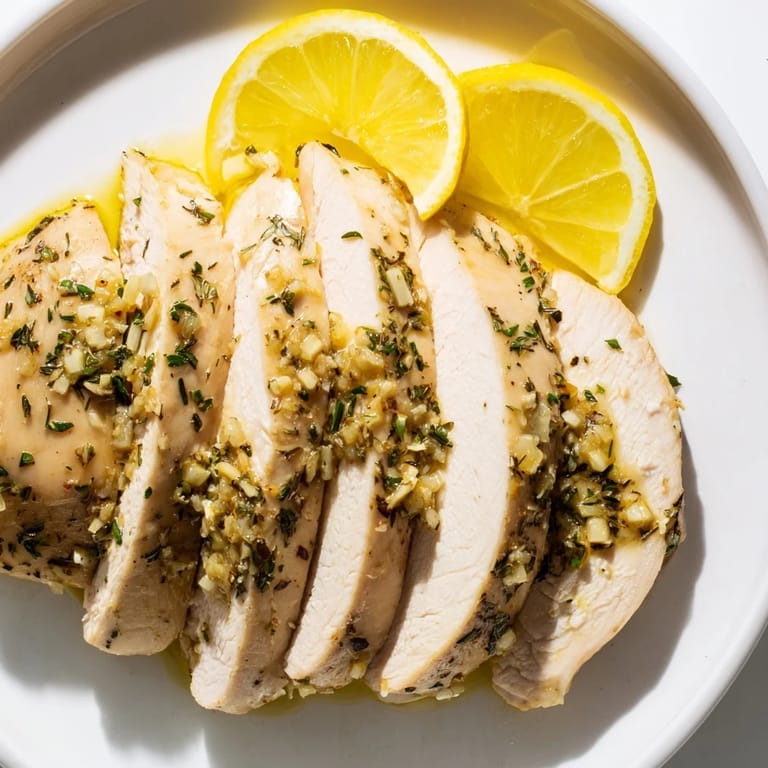
 Save
Save My neighbor Maria showed up one evening with a jar of homemade lemon herb paste and said, 'You're making chicken all wrong.' She was right. That first night she walked me through marinating chicken in her family's blend of lemon, garlic, and oregano, and the difference was instant, electric, alive. Now when I make this, I'm not just cooking dinner, I'm tasting that moment when I realized how much a few hours in a proper marinade could change everything.
I've made this for a small group on a Tuesday in July when the weather finally broke, and everyone went quiet for a moment after the first bite, just listening to the clink of forks. That's the thing about a good marinade, it doesn't try to be fancy, it just makes you taste what's actually there. The lemon doesn't mask the chicken, it wakes it up.
Ingredients
- Boneless, skinless chicken breasts, 4 pieces about 700g: These cook evenly and take the marinade beautifully, though honestly, thighs will be juicier if you have the time to give them an extra ten minutes in the oven.
- Extra-virgin olive oil, 60 ml: Don't skimp here, this is the carrier that makes everything work together, and you'll taste cheap oil instantly.
- Fresh lemon juice, 2 tablespoons: Real lemons only, never the bottled kind which tastes like sadness in a plastic container.
- Lemon zest, 1 tablespoon: This is where half the personality lives, so use a microplane and don't be shy.
- Garlic, 3 cloves minced: Mince it fine so it breaks down into the marinade and doesn't leave harsh chunks.
- Fresh oregano, 1 tablespoon chopped, or 1 teaspoon dried: Fresh is better but dried works, just don't use the stuff that's been sitting in your cabinet since 2019.
- Fresh parsley, 1 tablespoon chopped: A little brightness at the end, more for color and freshness than anything else.
- Dried thyme, 1 teaspoon: This gives you an earthy whisper underneath all the brightness.
- Salt, 1 teaspoon and black pepper, 1/2 teaspoon: Taste as you go, your palate knows better than any recipe.
Tired of Takeout? 🥡
Get 10 meals you can make faster than delivery arrives. Seriously.
One email. No spam. Unsubscribe anytime.
Instructions
- Build your marinade:
- Whisk the olive oil, lemon juice, zest, minced garlic, oregano, parsley, thyme, salt, and pepper in a bowl until it looks like loose, fragrant paint. Smell it right here, this is your baseline.
- Coat the chicken:
- Add your chicken breasts to the bowl or a big zip-top bag and turn them until every surface is slick with marinade. This is the moment where patience matters, so don't rush it.
- Let time do the work:
- Cover and refrigerate for at least one hour, though four hours is where the magic really happens. The acid in the lemon starts breaking down the muscle fibers, and the herbs burrow into every bit of the meat.
- Get your oven ready:
- Heat to 200°C, about 400°F. While it's warming, take the chicken out so it's not cold when it hits the heat.
- Arrange and pour:
- Lay the chicken in a single layer in your baking dish, then pour every drop of remaining marinade over the top. The oil will shimmer, the herbs will float, and you're almost done.
- Bake until golden:
- Twenty-five to thirty minutes, depending on your oven and how thick your breasts are. The chicken is done when it reaches 74°C internally, but the real sign is when it doesn't spring back too fast when you press it.
- Rest and finish:
- Let it sit for five minutes after coming out of the oven, this keeps the juices from running all over the plate. Slice if you like, then scatter lemon wedges and fresh parsley on top.
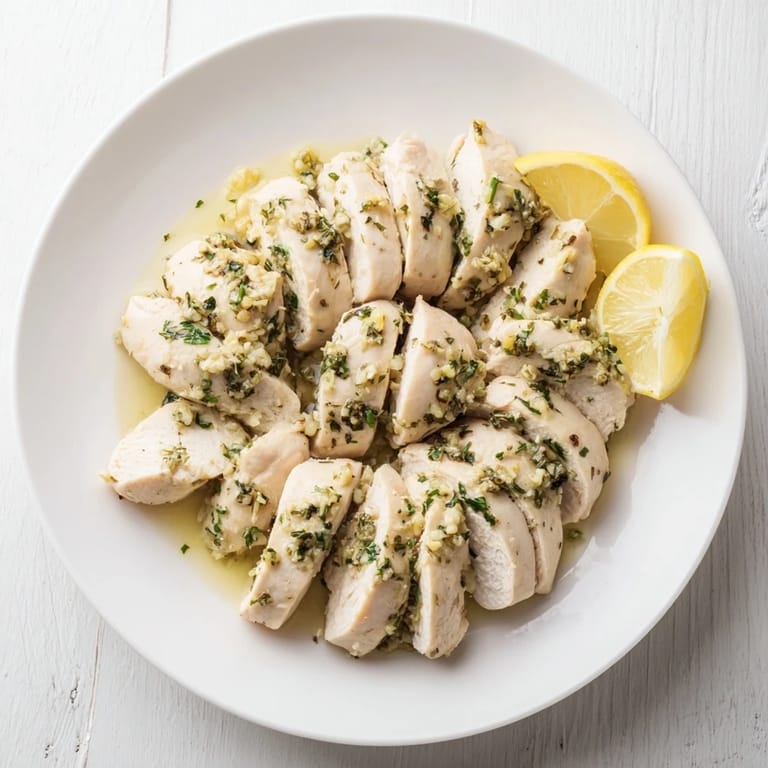 Save
Save My daughter once asked why this chicken tasted different from the ones I used to make, and I realized it was because I'd finally learned to stop rushing the marinade. That small decision, just giving the chicken time to sit with the lemon and garlic, changed everything about how I cook now.
What Makes This Different
Most people either undersalt their chicken or oversalt the marinade and then wonder why everything tastes flat. The trick is respecting the salt without drowning it, letting the lemon and garlic do most of the talking. The longer you marinate, the less aggressive the salt needs to be because the acid is already making the chicken tender and open to flavor.
How to Serve It
This chicken doesn't need much. A Greek salad with cucumbers and feta, or roasted potatoes with their edges turned crispy, or even just warm pita bread and some tzatziki. It's one of those dishes that tastes complete on its own but plays beautifully with other things. I've also shredded the leftovers and tucked them into salads or wraps the next day, and honestly, that version might be better than the first night.
Storage and Keeping
Cooked chicken keeps in the fridge for three or four days if you store it in an airtight container. It doesn't reheat quite as perfectly as the first night, but you can warm it gently in a low oven with a little extra lemon juice and it'll remind you why you made it in the first place. The marinade itself, unmixed with chicken, lasts about a week and is honestly brilliant for roasting vegetables or dressing a salad.
- Make the marinade on Sunday and marinate chicken Monday night for a stress-free Tuesday dinner.
- Leftover cooked chicken shreds beautifully for grain bowls and sandwiches the next day.
- If you're cooking for more people, this recipe doubles without any trouble at all.
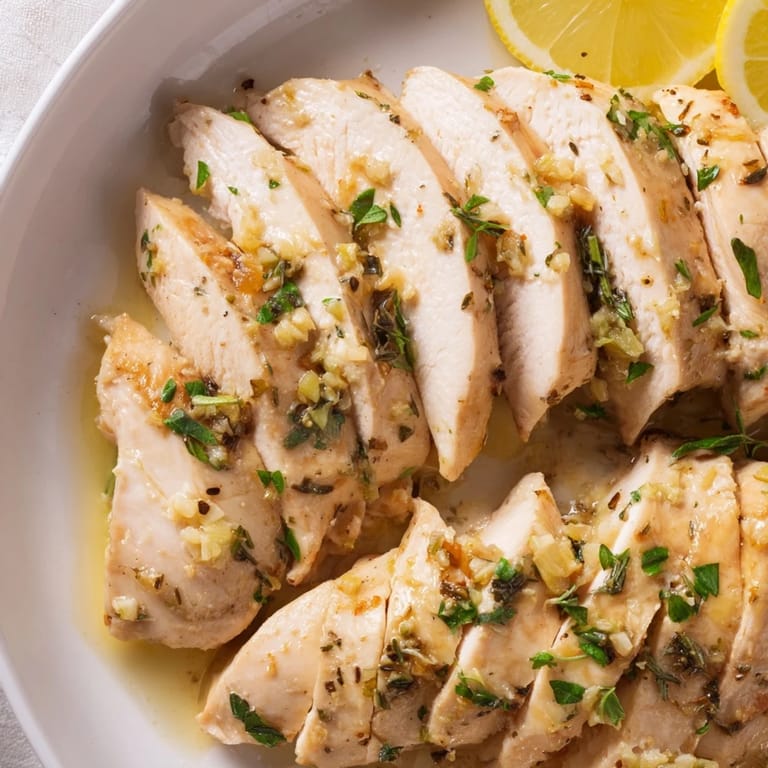 Save
Save This is the kind of dish that taught me cooking isn't about following instructions perfectly, it's about understanding why each step matters. Once you know that, you can trust yourself.
Recipe FAQs
- → How long should I marinate the chicken?
Marinate the chicken for at least 1 hour, though 3-4 hours will deepen the flavor and tenderness.
- → Can I use chicken thighs instead?
Yes, bone-in chicken thighs add extra juiciness. Adjust baking time to 35–40 minutes for thorough cooking.
- → What temperature should I bake the chicken at?
Bake the marinated chicken at 200°C (400°F) until fully cooked, typically 25–30 minutes for breasts.
- → Which herbs enhance the lemon flavor best?
Oregano, parsley, and thyme complement lemon beautifully with their earthy and fresh notes.
- → Can I prepare this dish gluten-free?
Yes, the ingredients used contain no gluten, making it suitable for gluten-free diets.