 Save
Save The first time I made chermoula, I was standing in a cramped Marrakech spice market, overwhelmed by the assault of colors and aromas, when a vendor's hands moved through the air with such certainty, mixing herbs and spices into a vivid green paste. Years later, recreating that moment in my own kitchen felt like unlocking a secret code. That paste, it turns out, wasn't just a marinade—it was a bridge between continents and memories. Now I make it whenever I want to transport my dinner table somewhere bold and alive.
I served this to a friend who'd just moved to my neighborhood, and her eyes lit up the moment she took her first bite of the fish. She asked for the recipe before she'd even finished her plate, and that's when I realized this wasn't just food—it was a conversation starter, a way to say welcome without words. Now whenever she comes over, she asks if I'm making the green paste.
Ingredients
- Fresh cilantro, 1 cup packed: This is the backbone of chermoula—don't skimp or substitute it. I learned to buy cilantro with the roots still attached if possible; it stays fresher longer and tastes slightly more complex.
- Fresh flat-leaf parsley, ½ cup packed: Parsley softens cilantro's intensity and adds a gentle earthiness that keeps the marinade from feeling one-note.
- Garlic cloves, 4 minced: Raw garlic is sharp and intentional here; it mellows slightly as it marinates with the fish, but it's the backbone of the heat.
- Shallot, 1 small finely minced: Optional, but it adds a whisper of sweetness that balances the lemon's punch—I started using it after one too many overly acidic batches.
- Lemon zest and juice, from 1 large: Zest first before juicing, and don't waste any of it; those tiny oil droplets in the zest carry all the brightness.
- Ground cumin, 2 tsp: Toasted cumin would be richer, but raw works beautifully here, adding a warm, slightly nutty note without overpowering.
- Sweet paprika, 1½ tsp: This gives the marinade its gorgeous rust-red color and a subtle sweetness that Moroccan cooking relies on.
- Ground coriander, 1 tsp: Coriander adds a faintly floral, almost citrusy undertone that ties everything together.
- Cayenne pepper, ½ tsp: Start here and taste as you go; this is where you control the heat, and I've learned that a pinch more makes all the difference in a dinner party.
- Ground black pepper, ½ tsp: Fresh cracked is always better, though ground works when you're in a hurry.
- Extra-virgin olive oil, ½ cup: This isn't where you save money; good olive oil becomes part of the flavor, not just a vehicle for other tastes.
- Sea salt, 1½ tsp: Taste at the end and adjust; you'll likely need more than you think once everything comes together.
Tired of Takeout? 🥡
Get 10 meals you can make faster than delivery arrives. Seriously.
One email. No spam. Unsubscribe anytime.
Instructions
- Gather and chop:
- Start with your herbs and aromatics—this is actually the meditative part of the recipe. Chop the cilantro and parsley finely, mince your garlic and shallot by hand if you have time; the knife work becomes part of the ritual.
- Build the base:
- Combine the herbs, garlic, and shallot in a medium bowl, then add your lemon zest and juice. You'll notice the lemon immediately begins to brighten the greens—this is the moment the marinade comes alive.
- Add the spices:
- Sprinkle in the cumin, paprika, coriander, cayenne, and black pepper, stirring as you go so you can smell each spice as it joins the party. The aromas building on top of each other should make your kitchen smell like a souk.
- Finish with olive oil:
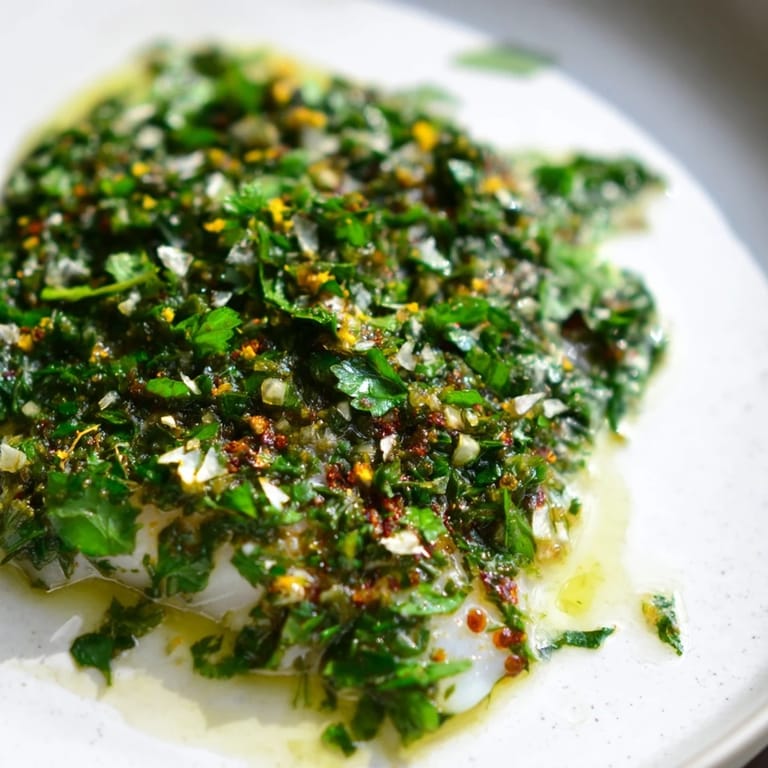
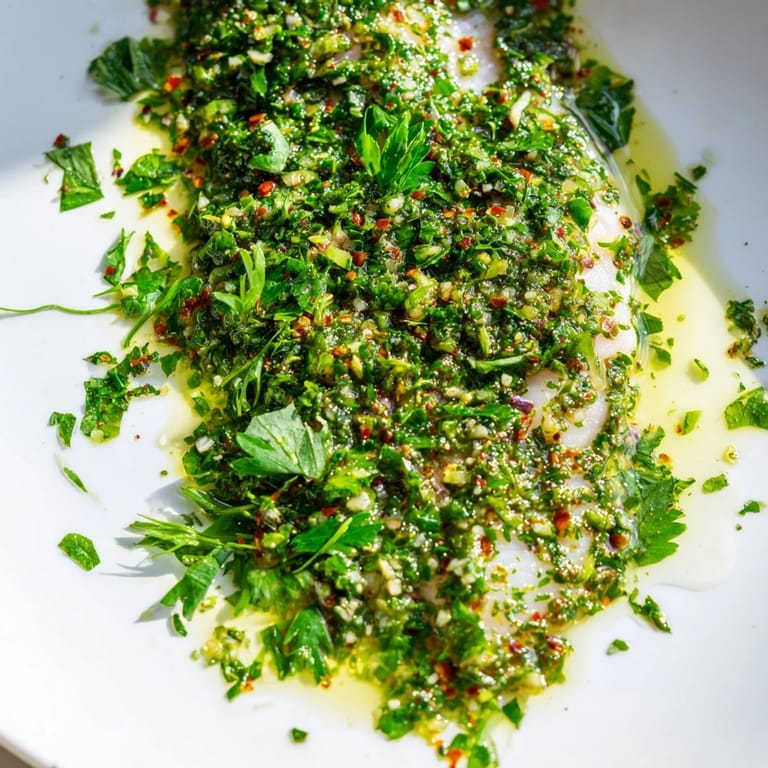
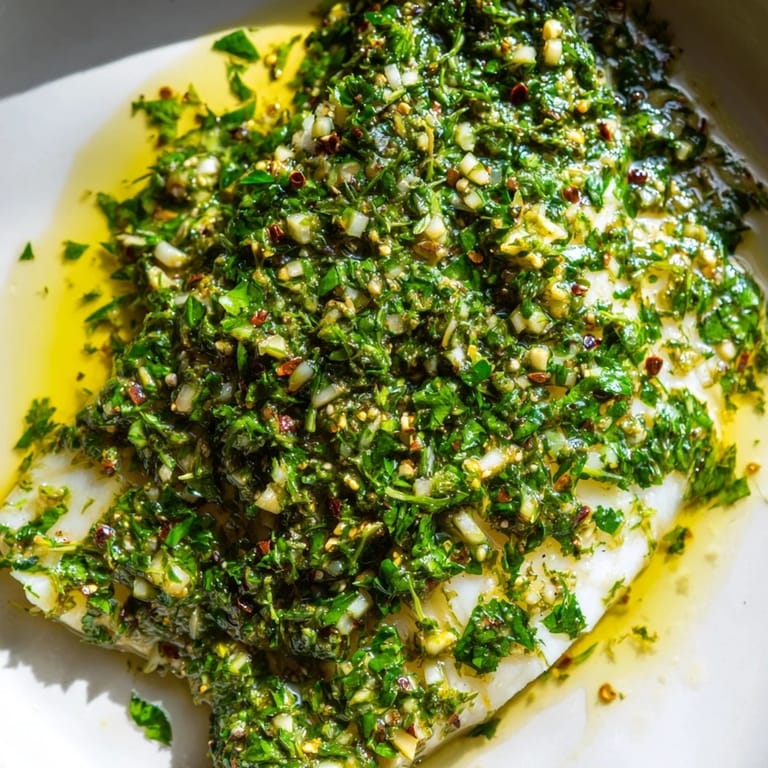
- Pour in the olive oil slowly, watching as it emulsifies with the herbs into a thick, fragrant paste. The transformation from separate ingredients to unified marinade happens right before your eyes.
- Taste and adjust:
- This is crucial—take a small spoon and taste it. Does it need more salt? More lemon brightness? More heat? Make it exactly how you want it; this is your version of chermoula.
 Save
Save I'll never forget the moment my skeptical father tasted fish glazed with this marinade and asked if I'd become a professional chef. He was only half-joking, and that's when I understood that a simple marinade made with intention and fresh ingredients could do something magic. It wasn't complicated technique—it was respect for the craft and the people eating it.
Where Chermoula Came From
Chermoula is North African in its bones, a marinade and condiment that shows up across Morocco, Tunisia, and Algeria with slight regional variations. Every family has their own way of making it, their own ratio of herbs to spices, and that's part of its beauty. It's old food that tastes modern, ingredient-driven in a way that feels timeless. The first time I served it, I felt like I was sharing not just a recipe but a piece of someone else's history, which is the whole point of cooking something this honest.
How to Use This Marinade
Most people think of chermoula as exclusively for fish, and yes, it transforms cod or snapper into something unforgettable. But I've learned through trial and error that it's equally stunning on chicken—brush it under the skin before roasting for moisture and flavor that goes all the way through. Roasted vegetables, shrimp, even grilled tofu if that's what you're cooking—this marinade adapts to whatever protein you're working with. The key is always the same: don't rush it, let it sit with your ingredient, and trust that the spices know what they're doing.
The Marinade as More Than Just Preparation
One afternoon, I realized I had leftover chermoula and no fish on hand, so I thinned it with a bit of lemon juice and turned it into a sauce for roasted vegetables and couscous. It was somehow even better as a dressing, the herb-spice paste coating each grain and vegetable like edible jewelry. Since then, I make extra on purpose, because chermoula refuses to be confined to one role in the kitchen.
- Leftover paste keeps in the fridge for a week and becomes a condiment, a sauce, or a dip whenever inspiration strikes.
- If you want it smoother, pulse it in a food processor just once or twice—texture is personal, and there's no wrong way.
- A spoonful stirred into mayonnaise or yogurt makes an incredible spread for sandwiches the next day.
 Save
Save This marinade has taught me that the best recipes aren't always the most complicated—sometimes they're just the ones that respect their ingredients and the people eating them. Chermoula is a reminder that simplicity and boldness aren't opposites.
Recipe FAQs
- → What fish pairs well with Moroccan chermoula?
White fish such as cod, snapper, or sea bass work wonderfully, absorbing the fresh herbs and spices perfectly.
- → Can this marinade be made ahead of time?
Yes, it can be prepared in advance and refrigerated for up to a day to allow flavors to deepen before use.
- → How spicy is the marinade?
The cayenne pepper adds a mild heat that can be adjusted or omitted based on personal preference.
- → Is it necessary to use fresh herbs?
Fresh cilantro and parsley provide the best aroma and flavor, but dried herbs can be used in a pinch.
- → What cooking methods complement this marinade?
Grilling, baking, or pan-searing fish after marinating enhances the infused flavors beautifully.