 Save
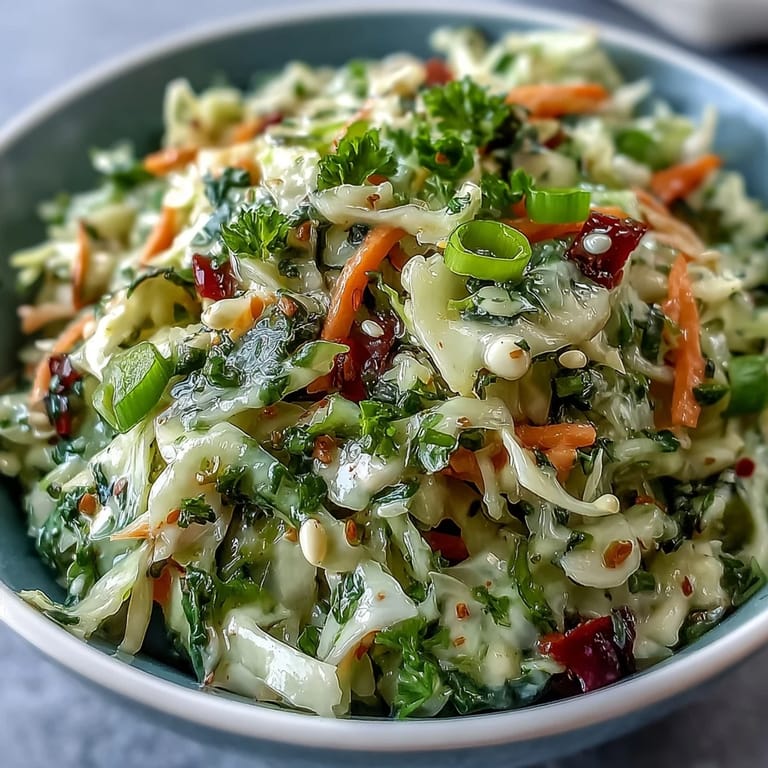
Save My neighbor threw a last-minute barbecue on a humid Saturday, and I'd somehow committed to bringing a side dish with zero notice. Rifling through my fridge, I found a jar of sauerkraut I'd forgotten about and a handful of vegetables slowly losing their crispness. Within minutes, I'd tossed together this tangy slaw—and it became the dish people asked about more than the grilled meat. That's when I realized: sometimes the simplest combinations, especially ones that respect your gut and your taste buds, are the ones worth keeping.
I brought this to a potluck where everyone was stressed about digestion after a week of eating out, and something magical happened—people actually felt better afterward and kept coming back for more. Someone mentioned their gut seemed happier, and suddenly this simple slaw shifted from side dish to something that felt genuinely nourishing. It's funny how food can be both delicious and actually good for you, and people notice the difference.
Ingredients
- Sauerkraut, drained and lightly squeezed (1 ½ cups): This is your flavor backbone—buy it from the refrigerated section if possible, as it contains live cultures. Squeezing it gently removes excess brine without losing the probiotics.
- Green cabbage, finely shredded (1 cup): Fresh raw cabbage adds sweetness and crunch that balances the sauerkraut's tanginess, making the slaw feel lighter and brighter.
- Carrot, grated (1 medium): Grating rather than slicing keeps the texture uniform and lets the carrot's natural sweetness distribute evenly throughout.
- Red bell pepper, thinly sliced (½): This brings color and a subtle sweetness that plays beautifully against the vinegar's bite.
- Green onions, thinly sliced (2): They add an onion-forward sharpness without being overwhelming, and they stay bright even after the slaw sits.
- Fresh parsley, chopped (2 tablespoons): A small handful brightens everything and adds a grassy, fresh note that keeps the dish from feeling one-dimensional.
- Extra-virgin olive oil (2 tablespoons): Quality matters here since it's raw—it carries flavor and adds richness without heaviness.
- Apple cider vinegar (1 tablespoon): The apple notes complement both the fermented and fresh elements, creating a more interesting dressing than plain white vinegar.
- Dijon mustard (1 teaspoon): This emulsifies the dressing and adds a subtle heat and complexity that prevents the slaw from tasting flat.
- Maple syrup or honey (½ teaspoon): Just enough sweetness to round out the vinegar's sharpness without making it cloying.
- Ground black pepper and salt: Taste as you season—the sauerkraut brings its own saltiness, so you may need less than you'd expect.
Tired of Takeout? 🥡
Get 10 meals you can make faster than delivery arrives. Seriously.
One email. No spam. Unsubscribe anytime.
Instructions
- Gather and prepare your vegetables:
- Drain your sauerkraut and give it a gentle squeeze with your hands over the sink—you'll feel how much liquid comes out. Shred, grate, and slice everything while you're in that mindset, so it's all ready and waiting when you need it.
- Build the slaw base:
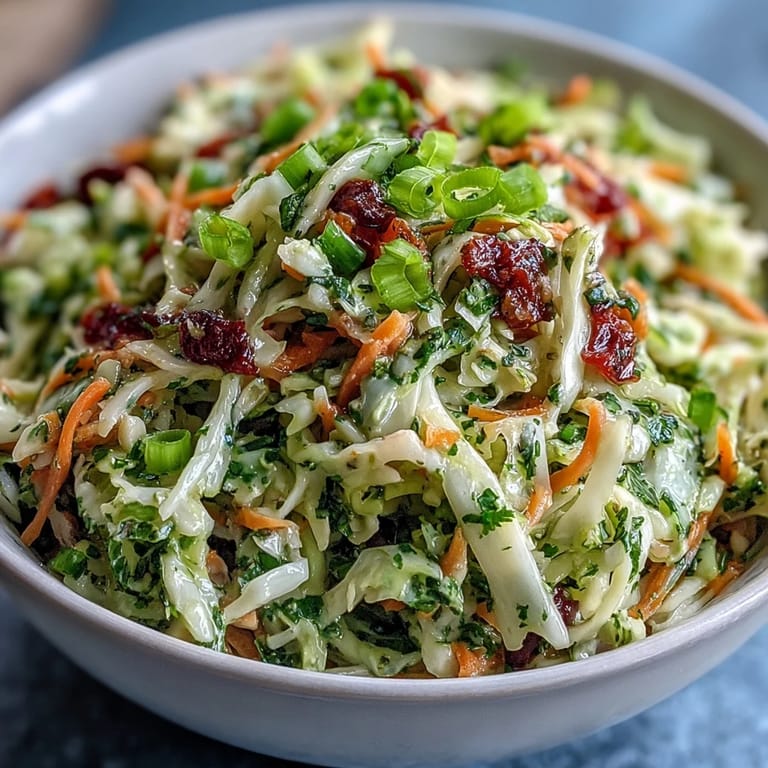
- In a large bowl, toss together the sauerkraut, green cabbage, carrot, bell pepper, green onions, and parsley. The colors will pop as soon as they hit the bowl, and you'll start smelling that fermented, fresh vegetable aroma.
- Whisk your dressing:
- In a small bowl, whisk together the olive oil, apple cider vinegar, Dijon mustard, maple syrup, and black pepper until it's smooth and slightly thickened. You're looking for a consistency that clings to the vegetables rather than pooling at the bottom.
- Bring it together:
- Pour the dressing over the vegetables and toss everything thoroughly—use your hands if you need to, and don't be gentle about it. The dressing should coat every strand and shred, and the slaw will begin to glisten and soften just slightly.
- Let it rest and taste:
- Give it 10 minutes to sit, which lets the dressing penetrate and the flavors marry. Before serving, taste and adjust the salt and pepper—remember the sauerkraut is already seasoned, so taste first.
 Save
Save There was a morning I made this as a hangover cure for myself and ended up sharing it with my roommate, who swore it was genuinely the first thing that day that didn't feel like a bad idea. We sat at the kitchen counter in silence just eating it straight from the bowl, and I realized slaw could be that thing—simple, honest food that just makes you feel taken care of.
Why Sauerkraut Is Worth Your Time
If you've never made anything with sauerkraut beyond a hot dog topping, you're missing how versatile and genuinely delicious it can be in fresh applications. The fermentation gives you a natural tang and complexity that vinegar alone can't replicate, plus those probiotics that everyone keeps talking about actually exist here—no supplements required. Once you taste it raw in something like this slaw, you'll understand why people get so excited about fermented foods.
Building Better Flavor Balance
The secret to this slaw working so well is the interplay between the three components: something tangy (sauerkraut), something fresh and sweet (green cabbage and carrot), and something sharp (vinegar and mustard). Each element pulls in a different direction, and together they create something that feels more sophisticated than the sum of its parts. The maple syrup isn't there to make it dessert-like—it just softens the edges and makes everything feel intentional rather than harsh.
Ways to Make It Your Own
This slaw is forgiving and loves additions that respect its essential character. Think about what textures and flavors appeal to you in that moment, and build from there. You're not looking to hide the sauerkraut or the vinegar—you're looking to support them and give them more to work with.
- Toss in thinly sliced radishes or fennel for extra crunch and a peppery note that plays off the fermented base.
- Scatter toasted sunflower or pumpkin seeds over the top just before serving for nuttiness and texture.
- Serve it as a topping for sandwiches or grain bowls, or let it be the side that makes the whole plate feel balanced and alive.
 Save
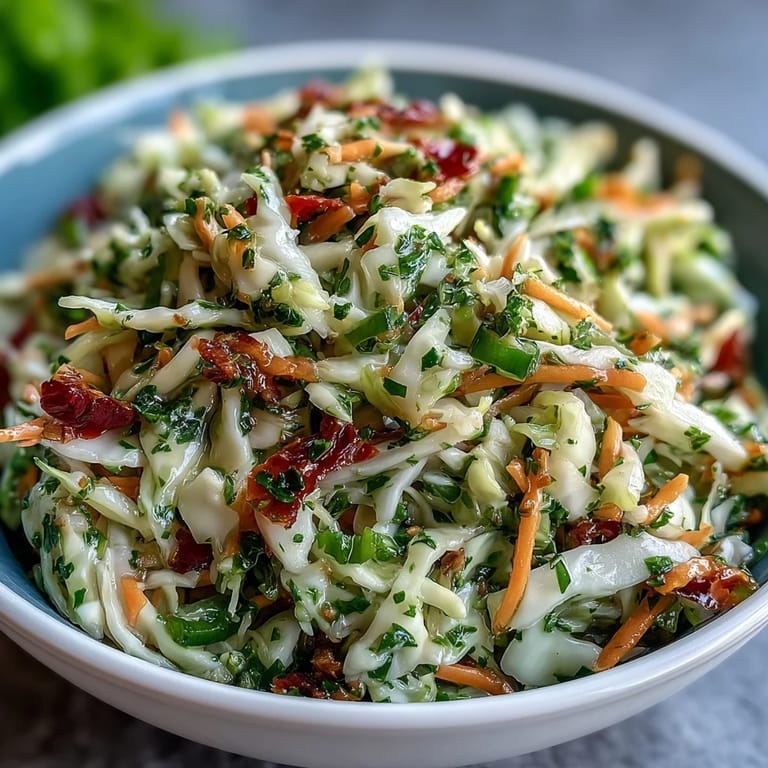
Save This slaw has become my answer to the question of what to bring when someone needs something that's delicious, honest, and makes people feel better. It's the kind of food that belongs on every table, whether you're feeding a crowd or feeding yourself on a quiet evening.
Recipe FAQs
- → What makes sauerkraut slaw different from regular coleslaw?
Sauerkraut slaw incorporates fermented cabbage, which adds natural probiotics and a tangy depth that regular coleslaw lacks. The fermentation process also provides gut health benefits while reducing the need for heavy dressings.
- → How long should I let the slaw sit before serving?
Allow the slaw to rest for about 10 minutes after tossing with the dressing. This brief period helps the flavors meld together and the vegetables to absorb the vinaigrette, though it can also be served immediately if you're pressed for time.
- → Can I make this ahead of time?
Yes, this slaw keeps well in the refrigerator for up to 3 days. The fermented nature of sauerkraut actually improves with time, though the fresh vegetables may lose some crispness after the first day. Store in an airtight container and toss before serving.
- → What vegetables work best for extra crunch?
Radishes and fennel add excellent texture and flavor. For nuts and seeds, try toasted sunflower seeds, pumpkin seeds, or sliced almonds. Jicama is another great option for maintaining crispness in the mix.
- → Is honey necessary for the dressing?
The sweetener helps balance the tanginess from sauerkraut and vinegar. Maple syrup works equally well, and you can adjust the amount based on your preference for sweetness. For a completely sugar-free version, omit it entirely or use a pinch of stevia.
- → How can I tell if sauerkraut is high quality?
Look for sauerkraut in the refrigerated section with live active cultures. Quality versions contain only cabbage and salt, sometimes with additional vegetables or spices. Avoid shelf-stable pasteurized versions, as they lack beneficial probiotics.