 Save
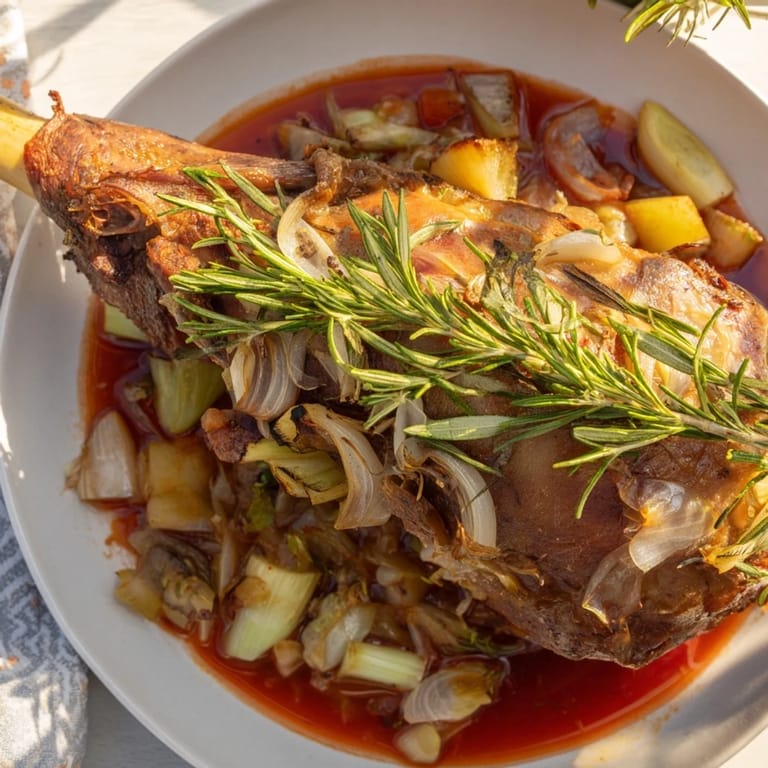
Save The apartment smelled like a forest after rain the first time I brought lamb shanks home tucked under my arm with a fistful of rosemary from the farmers market. I had no plan, just a hunch that slow heat and time would turn something tough into something memorable. Three hours later, the meat fell apart under my fork, and I realized I'd stumbled onto the kind of dish that makes people lean back in their chairs and go quiet for a moment.
I made this for my in-laws the first Christmas they came to visit, and I remember feeling nervous because my mother-in-law is the kind of cook who can tell if you used dried herbs instead of fresh. She had two helpings and asked for the recipe on a napkin before dessert. Now it shows up on our table every winter when we want the house to feel full, even if it is just the two of us.
Ingredients
- Lamb shanks: Look for shanks that still have a little marbling and avoid anything too lean, the fat keeps everything moist during the long roast.
- Carrots and celery: These break down into the sauce and add a quiet sweetness that balances the richness of the lamb.
- Onion: I slice mine thick so they hold their shape and turn jammy instead of disappearing completely.
- Garlic: Smash the cloves with the side of your knife, it releases more flavor and saves you from peeling them perfectly.
- Fresh rosemary and thyme: Fresh herbs make all the difference here, dried ones just do not have the same woodsy fragrance.
- Bay leaves: They add a subtle depth you will not notice until you forget them one time and wonder what is missing.
- Red wine: Use something you would actually drink, it does not have to be fancy but it should not taste like vinegar either.
- Stock: Beef or lamb stock both work, just make sure it is a good one because it becomes the backbone of your sauce.
- Olive oil: You need just enough to get a good sear on the meat without the pot smoking.
- Salt and pepper: Season generously, lamb can handle it and the long cook time will mellow everything out.
Tired of Takeout? 🥡
Get 10 meals you can make faster than delivery arrives. Seriously.
One email. No spam. Unsubscribe anytime.
Instructions
- Preheat and prep:
- Set your oven to 160 degrees Celsius and make sure your pot is heavy enough to hold steady heat for hours. Pat the lamb shanks completely dry with paper towels so they brown instead of steam.
- Season the lamb:
- Rub salt and pepper all over each shank, getting into the crevices. Do not be shy, this is your only chance to season the meat itself.
- Sear the shanks:
- Heat olive oil in your Dutch oven until it shimmers, then lay the shanks in without crowding. Let them sit undisturbed for a couple minutes per side until they develop a deep brown crust, it should smell toasty and rich.
- Sauté the vegetables:
- Toss the onions, carrots, celery, and garlic into the same pot and stir them around in the leftover fat. Let them soften and pick up all those browned bits stuck to the bottom.
- Build the braise:
- Nestle the lamb shanks back in among the vegetables, then tuck the rosemary, thyme, and bay leaves around them. Pour in the wine and stock until the liquid comes about halfway up the shanks.
- Bring to a simmer:
- Turn the heat up until you see gentle bubbles, then use a wooden spoon to scrape up any caramelized bits from the bottom of the pot. Those bits are pure flavor.
- Roast low and slow:
- Cover the pot tightly with a lid or foil and slide it into the oven. Set a timer for 90 minutes, then crack the lid and flip the shanks over so they cook evenly.
- Check for tenderness:
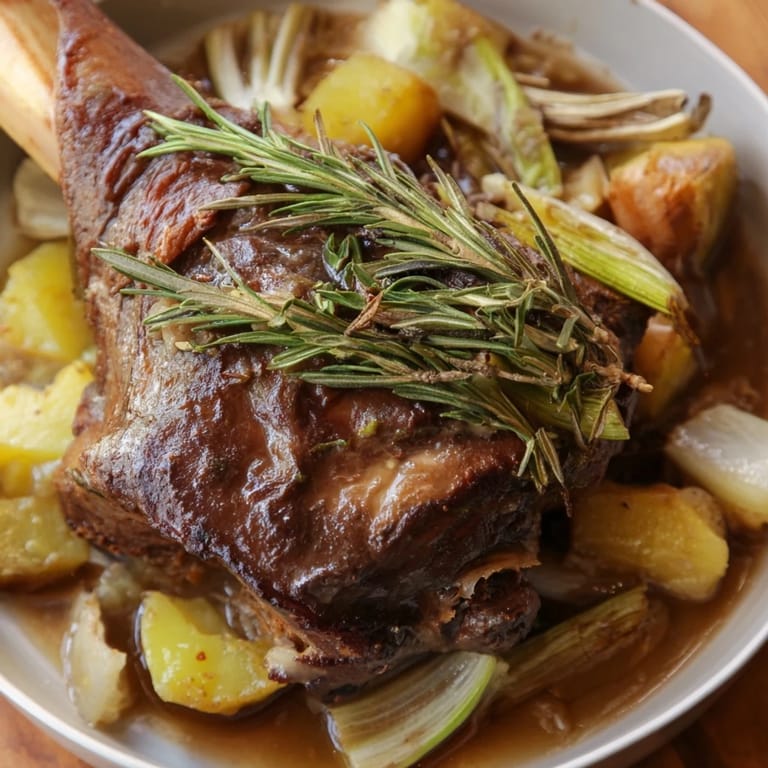
- After 3 hours, the meat should be wobbly and pulling away from the bone. If it still feels firm, give it another 30 minutes.
- Finish the sauce:
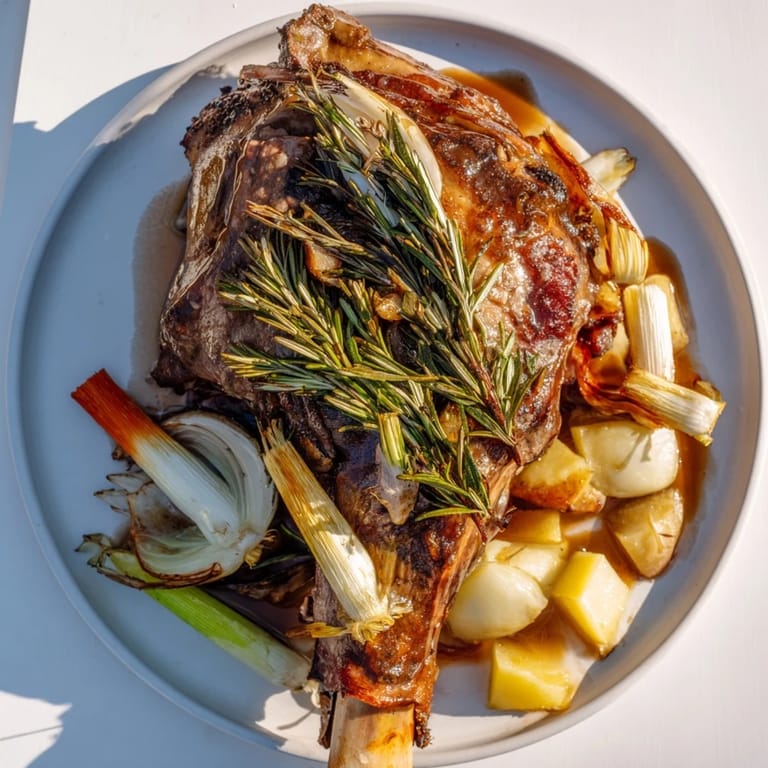
- Lift the lamb and vegetables onto a platter, then skim off any fat floating on top of the sauce. If it looks thin, simmer it on the stove for a few minutes until it coats the back of a spoon.
 Save
Save One winter night we served this to friends who had just moved across the country and were still living out of boxes. We set the pot in the middle of the table and everyone helped themselves, sopping up sauce with bread and talking until the candles burned down. It was not fancy, but it felt like the kind of meal that reminds you why people gather around food in the first place.
What to Serve Alongside
I almost always make creamy mashed potatoes because they soak up the sauce like a dream, but polenta works just as well if you want something a little different. A simple green salad with lemon and olive oil cuts through the richness, and crusty bread is non-negotiable for mopping up every last bit from your plate. If you are feeling festive, roasted root vegetables tossed with olive oil and thyme make the whole spread look like something out of a magazine.
How to Store and Reheat
Let everything cool to room temperature, then transfer the lamb and sauce to an airtight container and refrigerate for up to three days. The fat will solidify on top, which makes it easy to lift off before reheating. Warm it gently on the stove over low heat, adding a splash of stock if the sauce has thickened too much. Honestly, this tastes even better the next day when the flavors have had time to marry.
Little Tweaks That Make a Difference
Sometimes I toss in a strip of orange zest or a splash of balsamic vinegar during the last hour of roasting, it adds a brightness that keeps the dish from feeling too heavy. If you want a thicker sauce, pull the lamb out early and simmer the liquid on the stove until it reduces to your liking. You can also swap the red wine for more stock if you are cooking for someone who does not drink, just add a tablespoon of tomato paste for extra body.
- Use a mix of root vegetables like parsnips or turnips if you want to change things up.
- Add a pinch of crushed red pepper flakes if you like a little heat in the background.
- Make this a day ahead and reheat it gently so you are not stuck in the kitchen when guests arrive.
 Save
Save This is the kind of dish that turns a regular dinner into something people remember, not because it is complicated, but because it fills the house with warmth and makes everyone feel taken care of. I hope it becomes one of those recipes you come back to when you want to slow down and feed the people you love.
Recipe FAQs
- → How do I know when the lamb shanks are done?
The lamb is ready when the meat is very tender and easily pulls away from the bone, typically after 2 ½ to 3 hours of slow roasting.
- → Can I use another herb instead of rosemary?
Thyme and bay leaves complement lamb well and can be used alone or alongside rosemary for aromatic depth.
- → What side dishes pair well with slow-roasted lamb shanks?
Creamy mashed potatoes or soft polenta provide a smooth, comforting base that balances the rich flavors of the lamb and sauce.
- → Is it important to brown the lamb shanks before roasting?
Browning creates a flavorful crust and adds richness to the sauce through browned bits that develop during searing.
- → Can this dish be prepared in advance?
Yes, the flavors actually improve if made a day ahead, allowing the seasonings to meld. Reheat gently before serving.