 Save
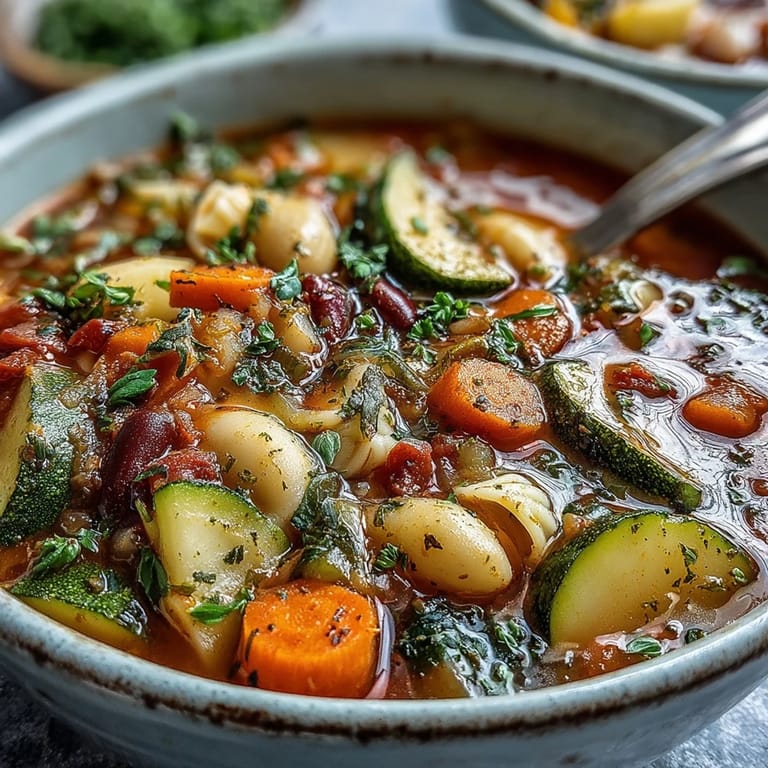
Save The kitchen windows were steamed up on that stormy autumn afternoon when I first made minestrone from scratch. I remember standing at the stove, inhaling the fragrant cloud of aromatics, and feeling an unexpected calm descend as I watched the colorful vegetables transform in the bubbling broth. My grandmother would have laughed at how meticulously I chopped each vegetable, but as the familiar scents filled my apartment, I knew I was channeling her spirit. This soup has become my canvas for the seasons, changing its character with whatever the market offers.
Last winter, during that three-day power outage, I managed to make this on our camping stove, working by flashlight while the snow piled outside. The neighbors caught the scent drifting across our frozen yards and showed up with candles and wine. We ate huddled in blankets, steam rising from our bowls, trading stories as the evening stretched on. Even now, someone always mentions that impromptu dinner whenever we gather.
Ingredients
- Olive oil: Dont skimp here - I learned from an Italian grandmother in Florence that starting with good olive oil creates the foundation that carries all the other flavors through the broth.
- Seasonal vegetables: The magic of minestrone is how it morphs with the seasons - bright zucchini and green beans in summer, earthy butternut squash and kale in winter.
- Small pasta: I accidentally used orzo once instead of ditalini and discovered it creates a lovely texture that almost melts into the broth while still giving that essential pasta comfort.
- Cannellini beans: These creamy white beans break down slightly during cooking, giving the broth a velvety texture that elevates this from simple vegetable soup to something truly special.
- Bay leaf: After forgetting to remove one before serving and watching my friend nearly choke, I now count how many go in and come out with religious devotion.
Tired of Takeout? 🥡
Get 10 meals you can make faster than delivery arrives. Seriously.
One email. No spam. Unsubscribe anytime.
Instructions
- Build your flavor foundation:
- Heat your olive oil in a large pot until it shimmers, then add the diced onion, carrots, and celery. As they soften and release their aromas, youll notice the kitchen filling with that unmistakable soup-is-coming scent.
- Layer in freshness:
- Stir in the garlic, zucchini or squash, and green beans or leafy greens, hearing that satisfying sizzle as they hit the hot pot. The vegetables will brighten in color, a signal theyre ready for the next stage.
- Create your broth base:
- Add the tomatoes, potato if using, and bay leaf, giving everything a quick stir to coat in the oil before pouring in the vegetable broth. Watch as the liquid turns golden, pulling flavor from everything in the pot.
- Simmer patiently:
- Bring everything to a gentle boil, then reduce to a simmer that sends occasional bubbles to the surface. This slow dance of heat will coax the vegetables into tenderness while they share their flavors with the broth.
- Add beans and pasta:
- When the vegetables yield easily to a spoon, add your beans and pasta to the pot. The starch from the pasta will help thicken the broth slightly, creating that perfect minestrone consistency.
- Season and finish:
- Once the pasta is tender, stir in the herbs and adjust the salt and pepper until the flavor sings. Remember to fish out that sneaky bay leaf hiding among the vegetables.
- Serve with flourish:
- Ladle the steaming soup into bowls, scatter fresh parsley over each portion, and offer grated Parmesan alongside. The cheese melts slightly on contact, creating creamy pockets throughout the soup.
 Save
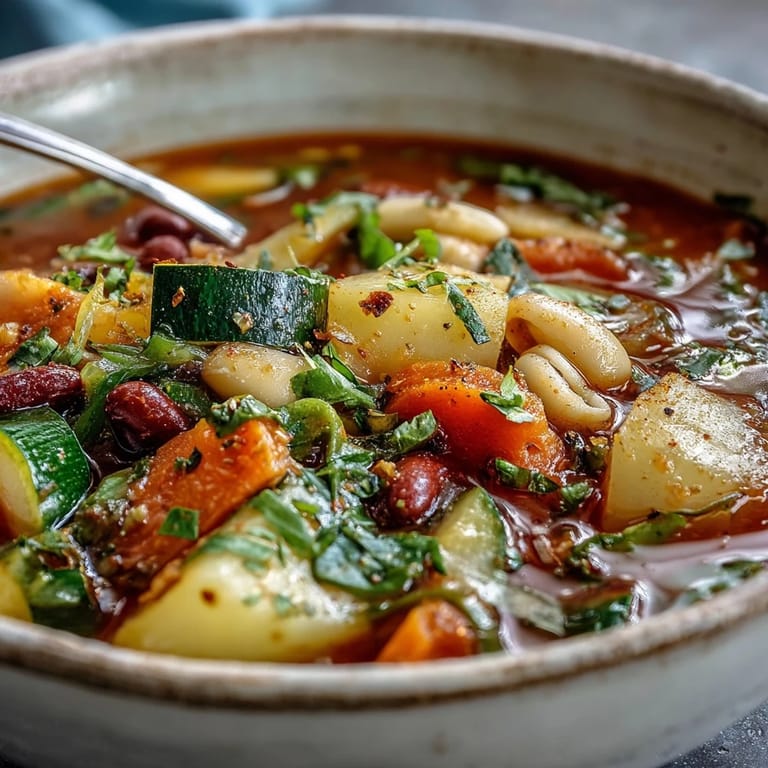
Save The true magic of this minestrone happened at my brothers homecoming dinner. Hed been traveling through Italy for six months and complained the entire flight home about missing authentic food. I served this soup without fanfare, watching nervously as he took his first spoonful. The silence stretched until he looked up with genuine surprise and said, This tastes like the trattoria in Tuscany. I nearly cried with pride, though I never admitted Id been practicing the recipe for weeks before his arrival.
Seasonal Adaptations
Ive learned that minestrone isnt one recipe but a conversation with the seasons. Spring calls for tender asparagus tips and sweet peas, creating a lighter broth that celebrates the first fresh produce. Summer minestrone welcomes sweet corn kernels and juicy tomatoes straight from the garden, sometimes so sweet I reduce the cooking time just to preserve their fresh-picked brightness. Autumn brings mushrooms that add earthy undertones, while winter versions get heartier with root vegetables that transform a simple soup into a meal that sustains through long, cold evenings.
Making It Ahead
Theres a curious alchemy that happens when minestrone rests overnight in the refrigerator. The flavors deepen and meld in ways that cant be rushed, making day-old soup somehow more cohesive and satisfying than the fresh batch. I discovered this by accident during a busy week of meal prepping, when I reluctantly reheated leftovers expecting diminished results. Instead, I found the vegetables had released more of their essence into the broth, the herbs had fully infused every spoonful, and the beans had reached that perfect tender-but-intact state that can be so elusive.
Serving Suggestions
The ritual of serving minestrone matters almost as much as the recipe itself, turning a simple meal into an experience. I keep a small bottle of premium olive oil reserved just for finishing soups, its grassy aroma adding a fresh dimension when drizzled over the steaming surface. My Italian friend taught me to rub garlic on toasted bread rather than adding more to the soup itself, creating the perfect vehicle for sopping up the last precious spoonfuls from the bowl.
- For an elegant dinner party presentation, serve in warmed shallow bowls with a small mound of fresh herbs and a curl of Parmesan in the center.
- Pack in thermoses for autumn picnics or skiing trips - Ive found it stays hot for hours and tastes even better when enjoyed outdoors.
- Keep toppings like toasted pine nuts, torn fresh basil, or a dollop of pesto on the table so everyone can customize their bowl.
 Save
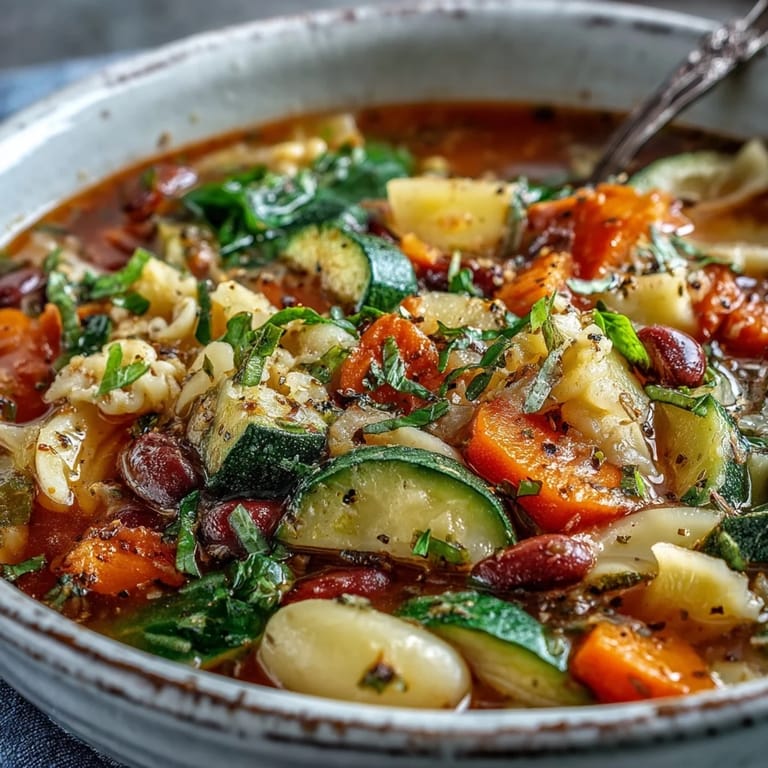
Save This minestrone has taught me patience in cooking and the beauty of recipes that evolve with the turning of seasons. Perhaps thats why it remains a constant in my kitchen - not because it stays the same, but because it changes alongside me.
Recipe FAQs
- → What vegetables work best in minestrone?
Classic vegetables include onions, carrots, celery, zucchini, green beans, and tomatoes. For winter variations, substitute with butternut squash, kale, or spinach. Spring additions like peas and leeks work beautifully too.
- → Can I make this soup ahead of time?
Yes, the flavors actually improve overnight. However, add the pasta just before serving or cook it separately, as it will continue to absorb liquid and become soft if stored in the soup.
- → What type of pasta is best for minestrone?
Small shapes like ditalini, elbow macaroni, or small shells work best as they fit easily on a spoon. You can also use broken spaghetti or rice for a gluten-free option.
- → How do I make this vegan?
Simply omit the Parmesan cheese or use a dairy-free alternative. The soup base is naturally plant-based, making it easy to adapt for vegan diets.
- → Can I freeze minestrone soup?
Yes, freeze without the pasta for best results. When reheating, add freshly cooked pasta or pasta cooked directly in the reheated soup. The soup will keep well for up to 3 months in the freezer.