 Save
Save The chilly October afternoon when I first made this acorn squash soup changed my relationship with autumn cooking. Wind howled outside while the rich aroma of roasting squash filled my tiny apartment kitchen, creating an instant sanctuary. Something about the golden-orange flesh transforming into silky soup felt like alchemy. I remember standing over the pot, watching steam rise as I blended, thinking how something so simple could feel so luxurious.
Last Thanksgiving, when my sister announced she was bringing her new boyfriend who was a chef, I panicked and made this soup as a starter. The kitchen was chaos with too many cooks, but when he asked for the recipe after his second bowl, I felt a quiet pride I didnt expect. We sat around the table passing bread, dipping corners into the velvety soup, conversation flowing as easily as the ladle into bowls.
Ingredients
- Acorn Squash: Look for squash that feels heavy for its size with a deep green color, as Ive learned lighter ones can sometimes lack flavor.
- Yellow Onion: The slow caramelization of yellow onion creates a foundation of sweetness that complements the squash perfectly.
- Heavy Cream or Coconut Milk: After making this soup through three winters, Ive found coconut milk brings a tropical nuance that surprisingly works with the autumn spices.
- Nutmeg: Always grate fresh if possible, the pre-ground stuff doesnt compare and I learned this the hard way after using old nutmeg that tasted like sawdust.
- Vegetable Broth: The backbone of the soup that carries all the flavors, I keep homemade frozen in small portions just for recipes like this.
Tired of Takeout? 🥡
Get 10 meals you can make faster than delivery arrives. Seriously.
One email. No spam. Unsubscribe anytime.
Instructions
- Roast the Squash:
- Preheat your oven to 400°F and brush those halved squash pieces with olive oil before placing them cut-side down on parchment. Youll know theyre done when your kitchen fills with a sweet aroma and a fork slides easily through the flesh.
- Build the Flavor Base:
- As your onions, carrots and garlic soften in the pot, dont rush this step. The gentle sizzle and gradual color change from white to translucent gold creates the foundation for everything to come.
- Simmer and Blend:
- Once everything is in the pot, let those spices bloom and flavors meld during the simmer. When blending, start slow and gradually increase speed to avoid hot soup volcanoes, a lesson I learned while wearing a white shirt.
- Finish with Cream:
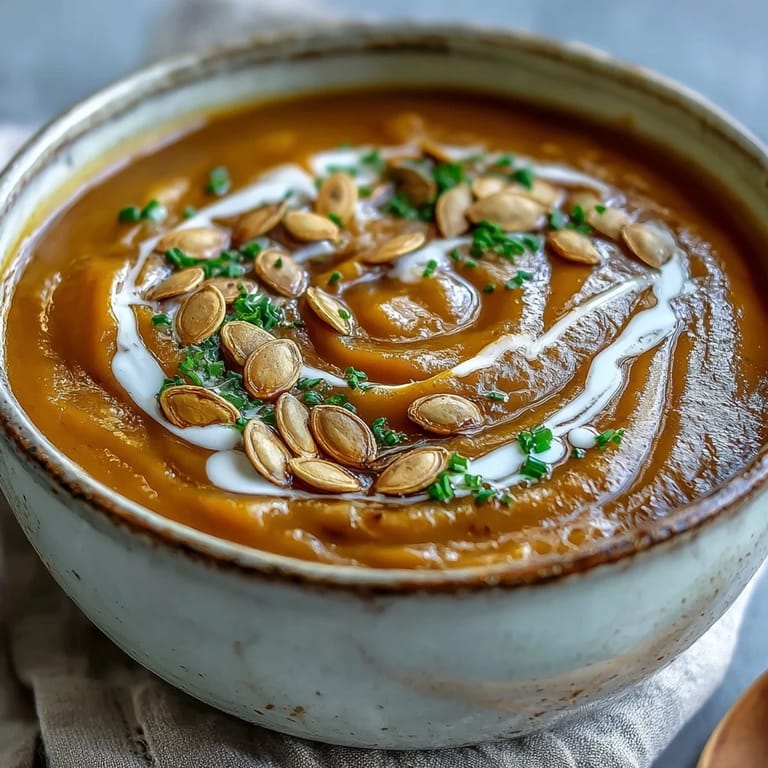
- Add your cream or coconut milk off the heat to prevent any chance of curdling. The way it swirls into the orange soup always reminds me of a sunset spreading across the sky.
- Garnish with Purpose:
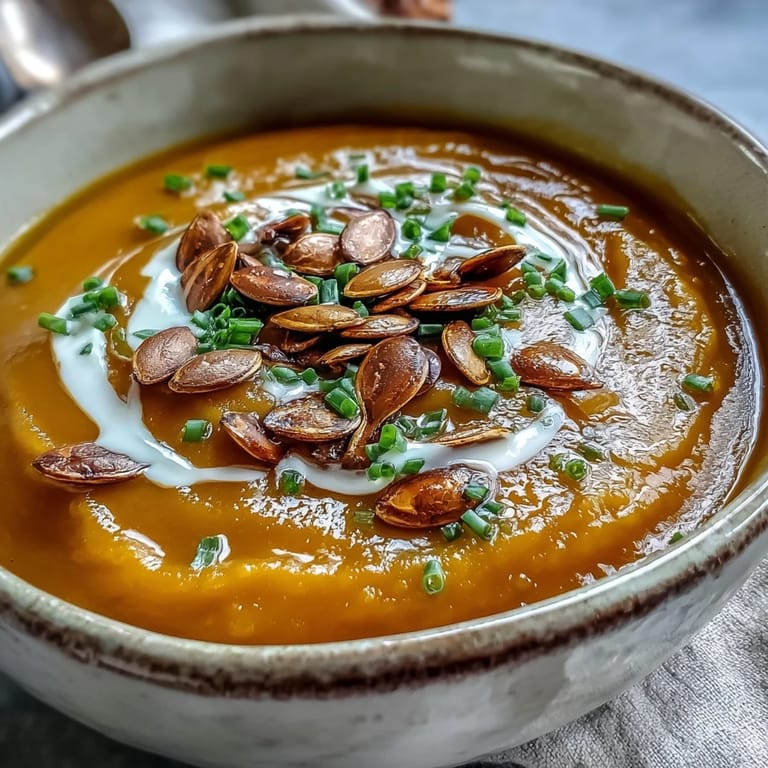
- Those toasted pumpkin seeds arent just for show, they add a necessary textural contrast to each spoonful. I like to toast mine with a tiny sprinkle of smoked paprika for an extra dimension.
 Save
Save My neighbor Ellie, who swore she hated all squash, stood in my doorway holding an empty bowl one evening after I delivered some soup during her bout with the flu. Her conversion to squash lover became our inside joke, and now she grows acorn squash in her garden, leaving them on my porch each fall with sticky notes that simply read Soup time. These small connections through something so humble still makes me smile.
Making It Your Own
Texture is entirely personal preference with this soup. Some nights I want it completely velvety, other times I reserve a small portion of the roasted vegetables before blending and fold them back in for little treasure bites. The kitchen windows steam up regardless, and the ritual of making this soup has become as comforting as eating it.
Storing and Reheating
This soup becomes a different version of itself after a day or two in the refrigerator, mellowing and deepening in a way that reminds me of how good conversations sometimes need to breathe before reaching their best potential. I often make a double batch specifically to have leftovers, portioning them into glass containers that frost slightly when opened from the freezer months later, bringing autumn comfort to winter days.
Serving Suggestions
The ritual of serving matters almost as much as the soup itself, which I discovered when my normally chaotic family fell silent around the table, focusing entirely on the steaming bowls before them. Ceramic bowls hold heat better than glass, creating a more leisurely eating experience where conversation can unfold without rushing before the food gets cold.
- Serve with a small side salad dressed with apple cider vinaigrette to cut through the richness of the soup.
- Crusty sourdough bread with salted butter makes the perfect companion for dipping and soaking up every last drop.
- For unexpected contrast, offer a small dish of pickled red onions that guests can add to their bowls if desired.
 Save
Save This soup has taught me that true comfort food isnt just about the eating but about the making, the sharing, and the memories created along the way. Each spoonful carries the essence of autumn, warming from within even on the coldest days.
Recipe FAQs
- → Can I make this soup ahead of time?
Absolutely. The flavors deepen when refrigerated overnight. Store in an airtight container for up to 4 days. Reheat gently over low heat, adding a splash of broth if needed to thin the consistency.
- → What's the best way to achieve the smoothest texture?
Roast the squash thoroughly until tender, then use an immersion blender directly in the pot for the silkiest results. A high-speed blender works too—blend in batches and vent carefully to release steam.
- → Can I freeze this soup?
Yes, freeze for up to 3 months. Skip adding cream before freezing—stir it in after reheating for the best texture. Thaw overnight in the refrigerator before warming.
- → How do I make it vegan?
Simply swap heavy cream for full-fat coconut milk. The slight coconut flavor complements the squash beautifully and creates an equally rich, velvety finish.
- → What toppings work well?
Toasted pumpkin seeds add crunch, while fresh chives provide a mild onion bite. A drizzle of cream or coconut milk creates an elegant swirl. Crispy bacon bits or roasted chickpeas also work wonderfully.
- → Can I use butternut squash instead?
Certainly. Butternut squash has similar sweetness and texture. Roast and prepare it exactly the same way. The cooking time may vary slightly depending on size.